Have you ever run your tongue across your teeth after getting your braces off and thought, “Okay… now what?” The day the brackets come off feels like a graduation. You smile at everyone, take too many selfies, and promise yourself you’ll never complain about orthodontist appointments again. But once the celebration fades, real questions show up. What changes? What stays the same? And how do you keep that straight smile from slowly drifting away?
Life after braces is not dramatic, but it is important. Your teeth look great, yet they still need care and attention. Here’s what most people wonder about once the wires are gone.
The First Week Without Braces
The first few days feel strange in a good way. Your teeth may seem slick and almost too smooth because you’re not used to feeling bare enamel. Some people notice mild sensitivity to cold drinks or crunchy foods. That usually fades within a week.
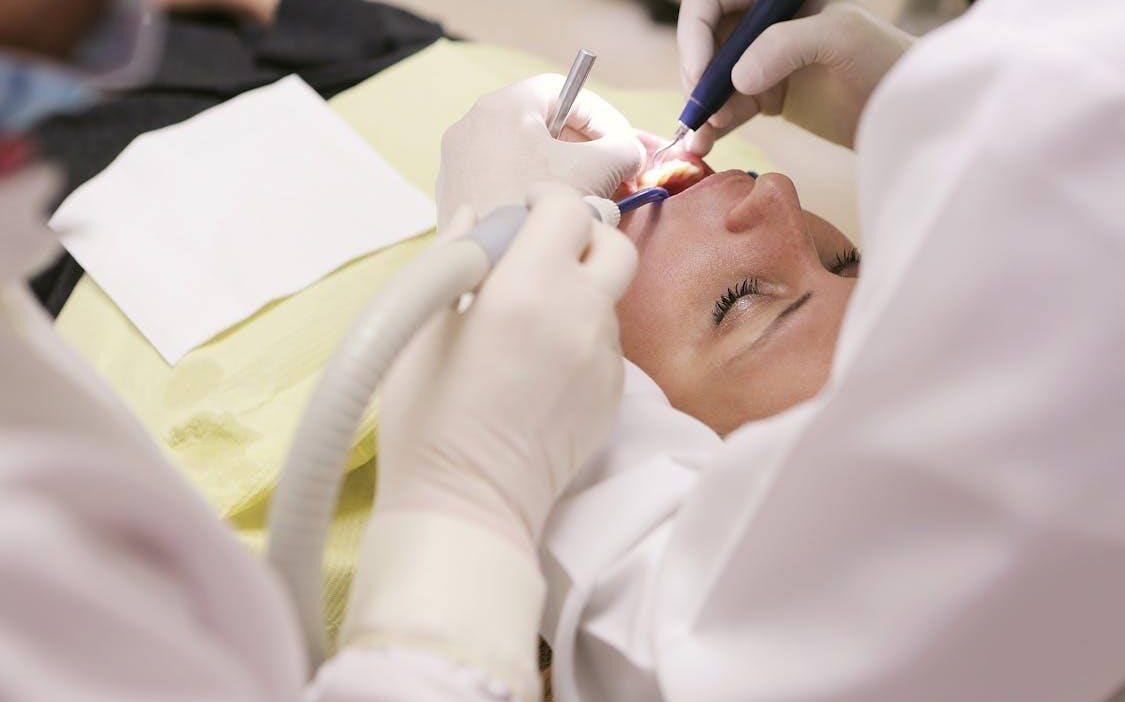
Your gums might also look a little puffy at first. This is normal, especially if brushing around brackets was tricky before. A professional cleaning soon after removal helps polish away leftover glue and plaque. Stick to soft foods for a couple of days if your mouth feels tender, and keep brushing gently but thoroughly.
Why Retainers Suddenly Matter More Than You Think
Once braces come off, many people assume the hard part is over. In reality, retention is where your results are protected. Teeth naturally want to shift back toward their old positions, especially during the first year. That’s why orthodontists often recommend wearing retainers full time at first, then switching to nighttime use.
Some patients choose custom retainers because they fit closely and are shaped to their exact bite. A snug fit makes them more comfortable and more effective at preventing movement. You should clean your retainer daily with a soft toothbrush and mild soap, not hot water, which can warp it. Store it in its case every time you take it out. Lost retainers are one of the most common reasons people need minor orthodontic fixes later.
Will My Teeth Move Back
This is the question that keeps former braces-wearers up at night. The short answer is yes, teeth can move if you stop wearing your retainer. Even adults are not immune to shifting. Our mouths change over time, especially with aging, grinding, or dental work.
The good news is that consistent retainer use greatly lowers this risk. If you notice slight movement, contact your orthodontist quickly. Small shifts can often be corrected with short-term retainer adjustments. Waiting too long may require more treatment, which is frustrating after you already invested time and money into your smile.
How Do I Take Care of My Teeth Now
Without brackets in the way, brushing becomes easier, but that does not mean you can relax. In fact, the period after braces is a great time to reset your habits. Use a soft-bristled toothbrush and fluoride toothpaste twice a day. Floss daily, since tight teeth are more likely to trap food.
If you see white spots where brackets used to sit, talk to your dentist about fluoride treatments or enamel-strengthening products. Professional cleanings every six months help maintain both gum health and the brightness of your smile. Think of this stage as maintenance mode, not a free pass.
What About Whitening
Many people notice slight color differences once the braces are removed. The areas under the brackets were protected from staining, while the exposed enamel picked up everyday discoloration from coffee, tea, or sports drinks. This contrast can be surprising.
Dentists usually recommend waiting a few weeks before whitening, allowing your enamel to settle and sensitivity to decrease. Professional whitening is safer and more even than over-the-counter kits, especially after orthodontic treatment. Avoid DIY hacks you see on social media. Trends come and go, but damaged enamel is not easily reversed.
Will My Bite Feel Different
After braces, your bite may feel slightly unfamiliar. Your teeth are in new positions, and your jaw muscles need time to adapt. Most people adjust within a few weeks. If you notice pain when chewing or frequent headaches, schedule a follow-up visit.
Nighttime grinding, also called bruxism, can affect newly aligned teeth. In a world where stress levels are high and screen time stretches late into the night, grinding has become more common. A night guard may be recommended if your orthodontist sees signs of wear. Protecting your bite now prevents bigger issues later.
Do I Still Need Dental Checkups
Orthodontic treatment does not replace regular dental care. You still need routine exams and cleanings at least twice a year. Dentists check for cavities, gum disease, and other issues that braces alone cannot address.
In recent years, more people have delayed preventive care due to busy schedules or rising costs. Skipping appointments can undo the benefits of straight teeth. Early detection of small cavities or gum inflammation saves money and discomfort. Your smile might be aligned, but it still needs monitoring.
How Long Do Results Really Last
If you wear your retainer as directed and keep up with dental care, your results can last decades. Orthodontists often tell patients to think of retainers like seat belts. You may not always feel their importance, but they protect you from long-term problems.
As life changes with jobs, moves, and family responsibilities, it is easy to let small routines slip. Keeping your retainer in a consistent place and setting a reminder on your phone can help. The effort is minor compared to repeating treatment. Straight teeth are not just about appearance. They are easier to clean and can reduce strain on your jaw.
Life after braces is less about dramatic change and more about steady care. The excitement of removal day fades, but the habits you build afterward shape your smile for years. When you understand what to expect and stay consistent, you protect both your confidence and your dental health. In a time when quick fixes are everywhere, the real secret is simple follow-through.