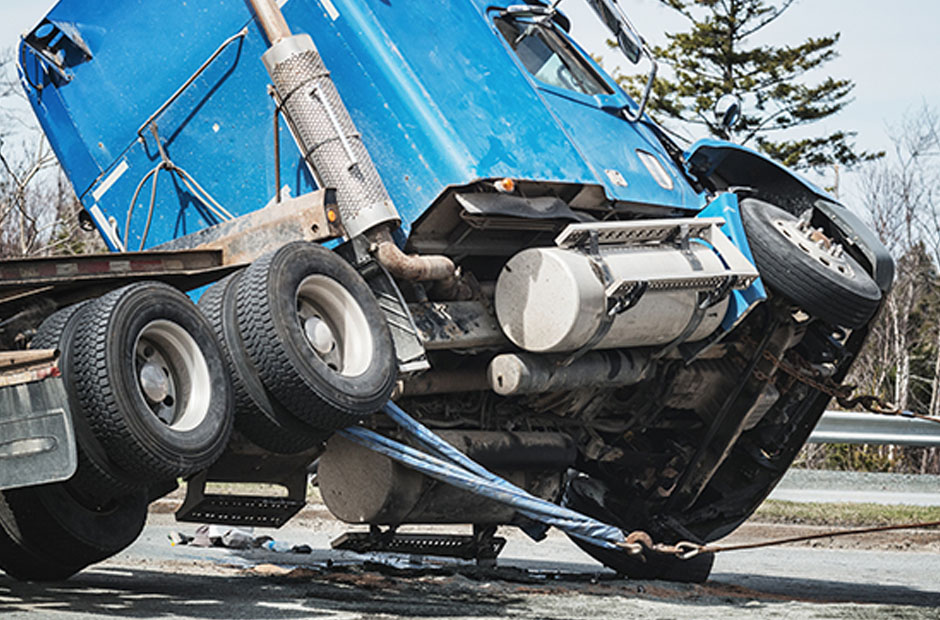
Trucking safety remains a cornerstone of safer highways for everyone. Because commercial trucks are larger and heavier than passenger vehicles, even minor mistakes can lead to devastating consequences. Strengthening safety protocols benefits truck drivers and all road users. For those impacted by truck collisions, connecting with qualified truck accident attorneys in Denver can provide crucial support and legal guidance.
The trucking industry is under growing pressure to adopt and maintain high safety standards. A proactive approach from driver training to leveraging advanced technologies can dramatically reduce accidents, cut costs, and build public confidence in freight operations. Research from major safety organizations highlights just how effective these measures can be.
According to the Insurance Institute for Highway Safety (IIHS), front crash prevention technologies like forward collision warning (FCW) and automatic emergency braking (AEB) are associated with significant reductions in rear‑end crashes involving large trucks¹,².
Driver Training and Education
Well-trained drivers are the foundation of safe trucking. Comprehensive instruction combining classroom learning with hands-on defensive driving techniques equips drivers to handle complex traffic scenarios, recognize hazards early, and react safely under pressure. Ongoing refresher courses ensure drivers stay current with regulations and emerging technologies, improving decision-making and reducing accident risk.
Regular Vehicle Maintenance
Commercial trucks operate under heavy loads in demanding conditions. Routine inspections of brakes, tires, lighting, steering, and other critical systems are essential. Addressing mechanical issues early prevents breakdowns and reduces the likelihood of accidents linked to equipment failure. Predictive maintenance, such as AI-driven systems that flag potential problems before they escalate, is increasingly common and supports safer operations. For example, Penske Truck Leasing uses telematics and AI analytics across its fleet to anticipate maintenance needs, reducing unexpected failures and keeping vehicles on the road safely³.
Adoption of Advanced Safety Technologies
Advances in vehicle safety systems are transforming the trucking industry. Features such as Electronic Stability Control (ESC), lane departure warning, forward collision warning (FCW), and Automatic Emergency Braking (AEB) help reduce crash risk.
Significant research shows these technologies make a real difference:
- IIHS researchers found that trucks equipped with AEB systems had about 41% fewer rear-end crashes compared with similar trucks without the technology in real-world operations¹.
- FCW systems were tied to a 44% reduction in rear-end crash rates, while AEB reduced overall crash rates by 12%².
These reductions are based on real-world data collected across hundreds of commercial fleets and millions of miles of travel, published by the IIHS¹,².
Compliance with Regulatory Standards
Federal regulatory agencies such as the Federal Motor Carrier Safety Administration (FMCSA) and the National Highway Traffic Safety Administration (NHTSA) provide standards for hours-of-service, vehicle inspections, drug and alcohol testing, and more. Complying with — and exceeding these regulations helps reduce fatigue, regulatory violations, and preventable crashes.
NHTSA and FMCSA have also proposed rules to require AEB on heavy vehicles, recognizing that such systems can prevent thousands of crashes and save lives if broadly deployed⁴.
Effective Cargo Securement
Improperly secured cargo can shift and destabilize a truck during transit, increasing the risk of rollovers or loss of control. Ensuring cargo is balanced and firmly restrained with approved equipment and checking securement throughout long trips is crucial. Training and cargo inspection protocols help reduce truck incidents tied to shifting loads.
Monitoring and Addressing Driver Fatigue
Fatigue is a key factor in many serious truck crashes. Measures such as in-cab alertness systems, enforced rest breaks, and fatigue management policies reduce this risk. A safety culture in which drivers feel comfortable taking the rest they need without penalty is essential to preventing drowsy driving, a risk highlighted by the NHTSA.
Implementation of Speed Management Systems
Speeding significantly increases crash severity. Speed management systems, such as speed limiters and adaptive cruise control, help maintain safe speeds, especially under changing road or weather conditions. These systems can intervene automatically when necessary, reducing the reliance on human reaction time alone and helping prevent errors due to speed misjudgment.
Fostering a Culture of Safety
Safety isn’t just about equipment or policy; it’s about culture. Companies that embed safety into their core values see long-term benefits. This may include performance incentives for safe driving, transparent communication channels for reporting issues, and regular safety reinforcement campaigns.
Real-world examples show how technology and culture together drive results:
- Some fleets using AI-enabled safety systems, including dual-facing cameras and real-time coaching tools, have reported up to a 73% reduction in crash rates over 30 months⁵.
- Telemetry and monitoring programs have enabled other companies to reduce accident-related costs by 20% or more by identifying risky behaviors and coaching drivers accordingly⁶.
Safe trucking practices extend beyond checklists; they represent a comprehensive approach to reducing road accidents and protecting the lives of everyone on the highway. By investing in driver education, smart technology, rigorous maintenance, and a strong safety culture, trucking companies can protect their drivers, cargo, and the public while strengthening their operational success.
References
- IIHS: Study showing FCW and AEB linked to significant crash reductions among large trucks. IIHS study on front crash prevention and large trucks
- IIHS news: front crash prevention systems reduce rear-end crash rates for trucks. IIHS front crash prevention news article
- Penske uses AI to improve fleet maintenance and reduce downtime. (Business Insider)
- NHTSA and FMCSA proposed safety rules requiring AEB on heavy vehicles. NHTSA-FMCSA proposed AEB rule announcement
- AI fleet-safety implementation case study reported by Forbes: crash reductions and cost impact. (Forbes)
- Case study: D.M. Bowman Inc. reduced accident costs with safety programs and data-driven monitoring. (Geotab)