Key Takeaways
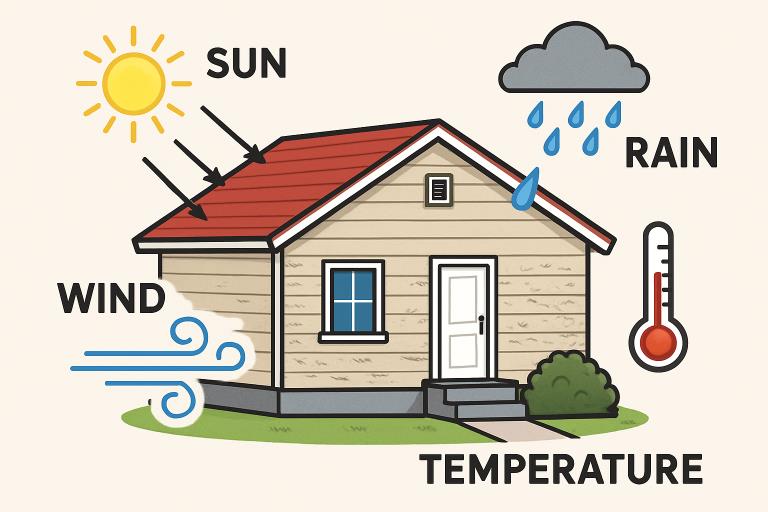
- Sun and UV rays can fade and deteriorate exterior paint.
- Rain and moisture are leading causes of peeling, blistering, and mold.
- Temperature fluctuations make paint crack, reducing its ability to protect your home.
- Wind can abrade the paint surface, speeding up weathering and surface damage.
- Selecting high-quality paint and maintaining regular upkeep are vital for paint longevity.
Your home’s exterior takes a beating from the weather in every season, making it critical to understand how various environmental factors can affect the longevity and appearance of your paint job. Homeowners seeking to protect their investment should pay close attention to these weather-related influences to prevent premature deterioration. Preventative action can help you avoid many of the pitfalls that can detract from your home’s curb appeal. Whether you DIY or hire professionals for exterior painting Kansas City MO, knowing how the elements affect exterior finishes helps you make smarter decisions.
Weather conditions affect paint durability, with sun, rain, temperature changes, and wind contributing to issues such as fading, cracking, and mold growth. Ignoring these effects may lead to costly repairs. Knowledge of weather-related challenges is crucial for homeowners to maintain exterior paint and home value. The guide outlines effective maintenance strategies to enhance paint lifespan and keep homes looking appealing and resilient.
Sun and UV Rays
Continuous exposure to sunlight and ultraviolet radiation can rapidly degrade the chemical composition of paint. These rays are responsible for most color fading, especially in darker paints that absorb more heat and UV energy. As binders in the paint degrade, you might notice a powdery residue or a brittle finish when touched. The process, known as “chalking,” can be unsightly and signals declining paint performance.
Lighter-colored, UV-resistant paints are better equipped to handle these forces. They reflect more sunlight and hold their pigment longer. Newer paint formulations often incorporate UV-blocking additives that slow deterioration and help preserve your home’s vibrancy. Homeowners in sunny locations should prioritize these modern choices to maximize curb appeal and paint longevity. Expert tips for selecting UV-resistant exterior finishes can be explored in detail at HGTV’s guide on paint sprayer mistakes.
Rain and Moisture
Water is one of the fastest ways to undermine a paint job. Persistent dampness or heavy rainfall can seep into even the smallest surface imperfections. Once moisture seeps beneath the paint, it compromises its adhesion. This results in peeling, bubbling, and blistering. Over time, damp pockets become breeding grounds for mold and mildew, which thrive in poorly ventilated or poorly dried areas.
Proper preparation is crucial in regions with high rainfall. This includes meticulous cleaning, drying, and priming with moisture-resistant undercoats. Skimping on any of these steps creates weak spots in the paint film and accelerates deterioration. Make sure surfaces are fully dry before painting, and always use high-quality exterior primers and topcoats. These preventive steps can be the difference between years of flawless protection and a cycle of frequent, expensive repainting.
Temperature Fluctuations
The expansion and contraction of building materials caused by changing temperatures can spell trouble for your exterior paint. When the weather swings dramatically between hot and cold, the paint coating must stretch and shrink along with wood, siding, or masonry. Over time, this repeated stress degrades the paint’s flexibility and can lead to cracking or flaking, particularly at joints, trim, and corners.
Elasticity is vital. Paints formulated for flexibility perform better in climates that experience wide temperature swings. The elasticity allows the paint to expand and contract with your home, rather than splitting apart. Skipping proper surface preparation or using the wrong type of paint almost always guarantees premature paint failure in these regions. Monitoring for early signs of cracking can prevent further damage by allowing timely repairs, rather than a full repaint.
Wind and Debris
Wind brings more than just a pleasant breeze. Strong gusts can carry abrasive particles, such as sand, dust, or even salt, into coastal areas, where they gradually erode exterior paint surfaces. Over time, this abrasion causes the paint to wear thin, dull, and lose its protective benefits. Homes in exposed or windy locations often display spotty paint finishes and areas of premature deterioration where airborne particles strike most frequently.
The effect is even more dramatic near the water, where salt fused with sand or grit adds a corrosive element. This relentless process means more frequent touch-ups and extra care in these challenging environments. Strategically planting windbreaks or maintaining nearby landscaping can help reduce direct impact on exterior walls.
Protective Measures
Choose High-Quality Paints
Opt for paints uniquely suited to your local weather conditions. Look for brands and formulations that advertise advanced UV-blockers, moisture resistance, and flexibility, especially if your region experiences one or more weather extremes.
Regular Maintenance
Set a schedule to inspect your home’s exterior every few months. Note peeling, cracking, or faded areas and address small issues before they can become widespread problems. Early intervention can save significant time and money on future repaints.
Proper Surface Preparation
Best results start with clean, dry, and well-primed surfaces. Only begin painting when conditions allow for careful attention to prep work. Remove old or flaking paint, wash away debris, and apply quality primer suited for your material type and climate. Each of these steps strengthens the bond between paint and surface, increasing durability.
Optimal Painting Conditions
Choose mild days for exterior painting. Avoid painting during extreme temperatures or when high humidity is forecast. Too much heat causes rapid drying, while humidity or rain can prevent proper curing. Following the manufacturer’s recommendations regarding weather conditions helps ensure the most durable finish.
Being proactive in your approach, while understanding how different weather elements interact with paint, is key to beautiful, long-lasting results. Regular maintenance, choosing premium products, and sound preparation practices all play vital roles in helping homeowners avoid the need for frequent and costly repaints.