Key Takeaways
- Structured recovery programs provide a supportive environment tailored to young adults’ needs and growth.
- Therapy, life skills development, and peer support are cornerstones of these comprehensive programs.
- Family engagement and thorough aftercare planning are integral in maintaining recovery progress.
Structured recovery programs offer a supportive framework for young adults navigating the challenges of addiction or mental health issues. These programs combine consistent routines, therapeutic interventions, and peer support to help participants build coping skills, maintain accountability, and foster personal growth. By providing a balanced mix of individual and group activities, structured recovery helps young adults develop a sense of stability and direction during a period of life that can often feel uncertain.
Accessing rehab in Massachusetts can provide young adults with tailored programs that address both the psychological and social aspects of recovery. The comprehensive approach encourages participants to establish healthy habits, improve emotional resilience, and reconnect with family and community. With consistent guidance and a structured environment, young adults are better equipped to transition into long-term sobriety and overall well-being, making the recovery process more sustainable and empowering.
Comprehensive Therapeutic Services
Recovery programs for young adults rely on a spectrum of therapeutic interventions aimed at unraveling the complex drivers of addiction. Core methods include individual counseling to address personal histories and group therapy for exploring shared experiences. Collaborative sessions often include evidence-backed approaches such as Cognitive Behavioral Therapy (CBT) and Dialectical Behavior Therapy (DBT) to develop emotional coping strategies. Family therapy is also integral, offering a safe space to repair relationships and enhance communication patterns within the family unit. Structured therapy equips participants with self-management techniques vital to long-term recovery success.
Life Skills Development
Beyond clinical treatment, fostering practical skills is paramount to ensure sustainable recovery. Young adults in these programs participate in life skills workshops covering topics such as financial literacy, meal planning, personal hygiene, and healthy relationships. Learning to set daily routines, manage time, and navigate interpersonal dynamics increases confidence and self-sufficiency. Educational support, such as tutoring or college preparation, and individualized vocational planning, provides momentum for achieving career and academic aspirations. This dual focus on recovery and real-world preparedness empowers individuals to thrive post-treatment and reduce the risk of relapse.
Peer Support and Community Building
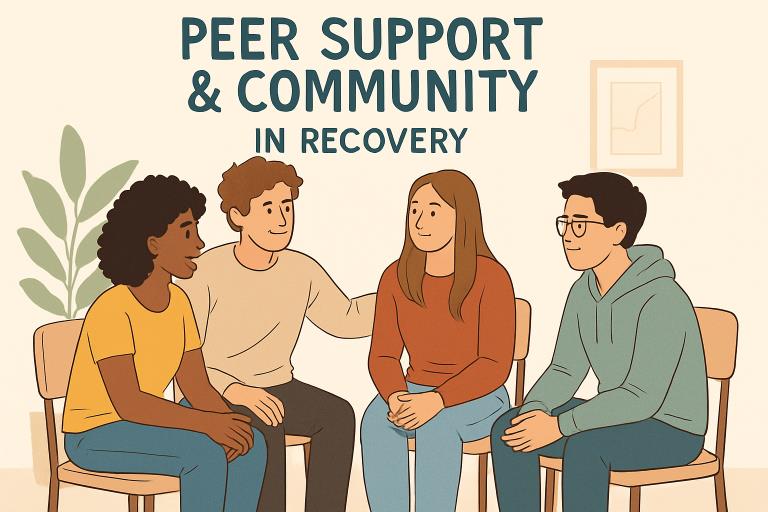
A sense of connection is essential for recovery, particularly for adolescents and young adults who value belonging and social acceptance. Structured recovery programs facilitate strong networks by organizing group meetings, recreational activities, and peer mentoring. Regular interaction with others who have faced similar struggles helps normalize conversations about addiction and mental health. As highlighted by the National Institute on Drug Abuse, peer support can significantly influence positive outcomes in substance use recovery by reinforcing accountability and mutual encouragement. These relationships offer lasting encouragement and serve as a vital support system through all stages of recovery.
Family Involvement
Family participation during treatment is associated with better treatment outcomes for young adults in recovery. Programs integrate family education workshops and group therapy to help relatives understand addiction as a medical issue rather than a moral failing. Open communication channels and new coping strategies are developed, allowing families to better support their loved ones and facilitate a smoother reintegration at home. Educating families about the factors that influence addiction fosters empathy, reduces conflict, and increases the likelihood of sustained change.
Structured Routine and Accountability
Predictability and routine are vital components in the recovery process. Young adults benefit from clear daily schedules that combine therapy sessions, educational or vocational activities, fitness, and recreation. Routine not only helps regulate emotional highs and lows but also provides direction and purpose. Consistent mentorship check-ins and group progress reviews maintain accountability and help participants adhere to their recovery plans. Learning to establish and stick to healthy habits prepares young adults for eventual independence while mitigating the risk of relapsing into destructive behaviors.
Aftercare Planning
An individualized aftercare plan bridges the transition from structured recovery to full autonomy. Effective aftercare includes step-down services such as outpatient counseling, ongoing therapy sessions, alumni groups, and sober living support. Strategies for managing triggers, reconnecting with community resources, and continuing personal development are prioritized. Having access to continuous guidance is a critical safeguard against relapse and supports ongoing growth.
Conclusion
Structured recovery programs act as a springboard for young adults seeking lasting freedom from substance use disorders. By combining expert therapeutic care, the development of essential life skills, nurturing peer support systems, family engagement, consistent routine, and robust aftercare planning, these programs set the foundation for enduring health and fulfillment. With guidance tailored to the unique journey of young adults, hope and long-term recovery are within reach.