Key Takeaways
- Water expands as it freezes, which can cause pipes to burst under pressure, especially when pipes are uninsulated or exposed to cold air.
- Effective insulation, home maintenance, and early detection are essential for preventing winter pipe damage.
- Identifying early signs of freezing pipes helps prevent catastrophic water damage and costly repairs.
When winter’s freezing temperatures hit, homeowners face the risk of frozen or burst pipes: an issue that can result in expensive water damage and significant inconvenience. Understanding why pipes burst and how to prevent them helps keep your home protected even in the harshest months. If you ever experience a winter plumbing emergency, it helps to know reliable experts for burst pipe repair near me right from the start.
Each year, thousands of homes experience pipe bursts due to freezing and expanding water in the plumbing system. While the primary concern lies with uninsulated or exposed pipes, there are other common causes and warning signs that can help you act before costly damage occurs. Early preparation is the best way to shield your property and budget from winter’s hazards.
Understanding Why Pipes Burst in Winter
Pipes burst most often in winter because freezing temperatures cause water inside the pipes to expand. As the ice grows, it places tremendous pressure on the inside of the pipe, sometimes enough to split even metal or plastic plumbing. This pressure can cause cracks, primarily in pipes located in attics, crawl spaces, basements, garages, or along exterior walls without adequate insulation. Even new homes with modern plumbing face risks if pipes are left untreated or exposed to drafts.
Common Causes of Burst Pipes
- Insufficient Insulation:Plumbing that is not properly protected by foam or fiberglass insulation is highly vulnerable to winter temperatures. Pipes in unheated areas, such as basements and garages, are especially at risk.
- High Water Pressure:When ice forms and blocks water flow inside a pipe, it increases the overall pressure. The added stress creates weak points that can suddenly burst when the blockage thaws or expands further.
- Corrosion and Aging:Over time, pipes can deteriorate due to corrosion or natural wear and tear. Older pipes have thinner walls, making them less resistant to the pressure caused by freezing and expanding water.
Preventive Measures to Protect Your Pipes
With careful planning and routine maintenance, you can drastically reduce the likelihood of pipes freezing and bursting. Here are strategic actions homeowners can take before the winter chill sets in:
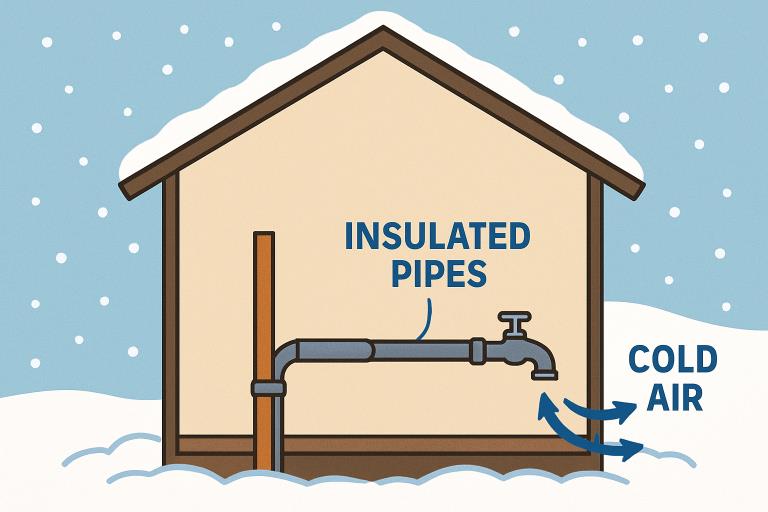
- Insulate Pipes:Apply foam or fiberglass pipe sleeves to all exposed pipes, especially those running along exterior walls and in unheated spaces. Pipe insulation is affordable and widely available at hardware stores, making it a cost-effective first defense.
- Maintain Consistent Heating:Keep your home’s temperature at or above 50°F, even if you’re away for an extended period. This ensures indoor areas with plumbing never get cold enough for freezing to occur.
- Allow Faucets to Drip:During very cold nights, let both hot and cold faucets drip slowly to keep water moving continuously. This simple step relieves pressure buildup and greatly reduces the risk of pipes freezing. For best results, keep the drip about the width of a pencil lead. For more details, check resources like Consumer Reports’ winter home prep guide.
- Seal Leaks:Carefully inspect for and seal any air leaks, gaps, or cracks around pipe entry points, windows, and doors. Preventing drafts is essential, as even minor airflow can expose pipes to dangerously low temperatures.
- Disconnect Outdoor Hoses:Remove, drain, and store outdoor hoses, then cover exterior faucets with insulated sleeves. Failure to disconnect these hoses can cause exterior pipes to freeze, and water left in the line can back up into the house’s plumbing.
Recognizing Early Signs of Freezing
Catching a freezing pipe early can mean the difference between a quick thaw and a costly disaster. Watch for these indicators that you might have a problem:
- Water flow from taps suddenly slows or drops.
- Visible frost, icy spots, or condensation on exposed pipes.
- Unusual noises, including banging, whistling, popping, or gurgling sounds from pipes.
If you notice any of these signs, immediate action can prevent pipes from rupturing or leaking inside your walls or basement.
What to Do If Your Pipes Freeze
In case you discover that a pipe is frozen but has not yet burst, follow these steps to minimize the risk of damage:
- Keep the affected faucet open so melting ice can drain as it thaws, releasing built-up pressure.
- Apply gentle, gradual heat along the frozen section using a hair dryer, space heater (at a safe distance), or a heating pad. Avoid using any open flame or direct heat to minimize fire risks and pipe damage.
- Continue warming the pipe until normal water flow is restored, and check surrounding areas for signs of leaks or cracks.
Throughout this process, remain patient and avoid overpressurizing the pipe, as this can cause it to burst unexpectedly.
When to Seek Professional Help
If you cannot find where a pipe has frozen or if it is located in a hard-to-reach area, it is best to contact a licensed professional plumber. If a pipe bursts, immediately shut off your home’s main water supply and call in experts to prevent further water damage and start repairs as soon as possible. A quick professional response can reduce restoration costs and prevent mold growth or structural issues.
Conclusion
Protecting your home from burst pipes during winter requires smart preparation, vigilant inspection, and timely action. Insulate exposed plumbing, maintain adequate heating, and watch for warning signs that indicate freezing. Should a problem occur, act quickly or contact a professional to resolve it efficiently. By following these essential tips, homeowners can prevent winter woes and enjoy peace of mind throughout the cold season.