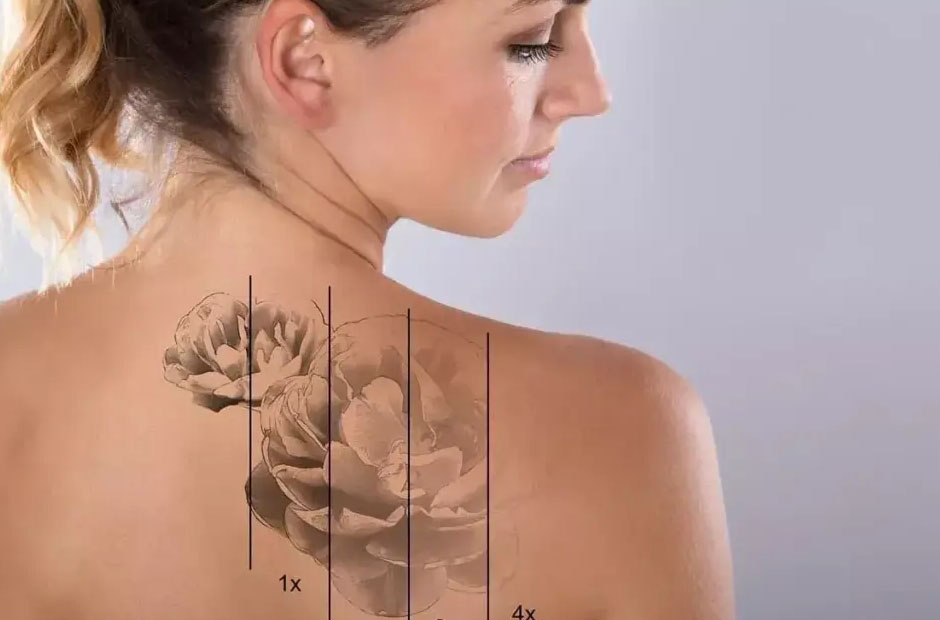
The decision to remove a tattoo is deeply personal, and in 2026, technology has made the process more effective and comfortable than ever before. Whether you’re looking to fade an old design for a cover-up or completely remove unwanted ink, understanding your options is essential. Modern laser technology has revolutionized the industry, offering safer treatments with minimal scarring and better results across all skin types.
Gone are the days of painful dermabrasion or surgical excision as primary removal methods. Today’s advanced techniques prioritize skin health while effectively breaking down tattoo pigments. This guide will walk you through everything you need to know about safe, modern tattoo removal in 2026.
Understanding Modern Laser Technology
The gold standard for tattoo removal in 2026 is Q-switched and picosecond laser technology. These devices work by delivering ultra-short pulses of light energy that shatter tattoo ink particles into tiny fragments. Your body’s immune system then naturally eliminates these fragments over time.
Picosecond lasers represent the latest advancement, delivering energy in trillionths of a second. This shorter pulse duration means less heat damage to surrounding skin tissue, resulting in faster healing and fewer side effects. The technology is particularly effective on stubborn colors like blues and greens that historically resisted treatment.
Modern systems also feature multiple wavelengths, allowing practitioners to target different ink colors more precisely. This versatility means that multicolored tattoos can be treated effectively in single sessions, though multiple appointments are still necessary for complete removal.
What to Expect During the Removal Process
Most people require between 6 and 12 sessions for complete tattoo removal, though this varies based on factors like ink density, colors used, and tattoo age. Sessions are typically spaced 6 to 8 weeks apart to allow your immune system time to clear the fragmented ink particles.
During treatment, you’ll feel a sensation often compared to a rubber band snapping against your skin. Most clinics offer topical numbing creams or cooling devices to minimize discomfort. Each session usually lasts between 15 and 30 minutes, depending on the tattoo’s size.
After treatment, the area may appear frosted or white temporarily, followed by redness and mild swelling. These effects typically subside within a few hours to days. Proper aftercare is crucial for optimal results and includes keeping the area clean, avoiding sun exposure, and applying recommended ointments.
Choosing the Right Removal Specialist
Selecting a qualified practitioner is perhaps the most important decision in your removal journey. Look for certified professionals who operate medical-grade laser equipment and have extensive experience treating various skin types and tattoo colors.
Calgary tattoo removal specialists should provide thorough consultations that include patch tests, realistic timeline expectations, and transparent pricing structures. They should also maintain strict hygiene protocols and use FDA-approved equipment. Don’t hesitate to ask about their training credentials and request before-and-after photos of previous clients.
Red flags include practitioners who promise unrealistic results, offer prices significantly below market rates, or rush through consultations without addressing your concerns. Remember that tattoo removal is a medical procedure requiring expertise and proper equipment.
Factors That Influence Removal Success
Several variables affect how quickly and completely your tattoo can be removed. Amateur tattoos typically fade faster than professional ones because they contain less ink and are applied at shallower depths. Older tattoos often respond better than fresh ones since your body has already begun breaking down the ink naturally.
Tattoo location matters too, with areas that have better circulation generally showing faster results. Tattoos on extremities like fingers and feet may take longer due to reduced blood flow. Your overall health, immune system function, and lifestyle choices like smoking can also impact the removal timeline.
Ink color remains a significant factor, with black and dark blue pigments responding most readily to treatment. Lighter colors like yellow, white, and fluorescent shades can be more challenging, though modern multi-wavelength lasers have dramatically improved outcomes for these stubborn hues.
Aftercare and Maintaining Skin Health
Proper aftercare accelerates healing and prevents complications. Keep the treated area clean and dry for the first 24 hours, then gently wash with mild soap and water. Apply prescribed antibiotic ointment and keep the area covered with breathable bandages during the initial healing phase.
Avoid picking at blisters or scabs, as this can lead to scarring. Sun protection is absolutely critical throughout the entire removal process and for several months afterward. UV exposure can cause hyperpigmentation and interfere with results.
Staying hydrated, maintaining a healthy diet, and exercising regularly supports your immune system’s ability to clear ink particles efficiently. Some practitioners recommend lymphatic massage to further assist this natural elimination process.
Conclusion: Making an Informed Decision
Tattoo removal in 2026 offers unprecedented safety and effectiveness thanks to advanced laser technology and refined techniques. While the process requires patience and commitment, the results are more predictable and satisfying than ever before. By choosing a qualified specialist, maintaining realistic expectations, and following proper aftercare protocols, you can achieve excellent outcomes while prioritizing your skin’s health throughout the journey.