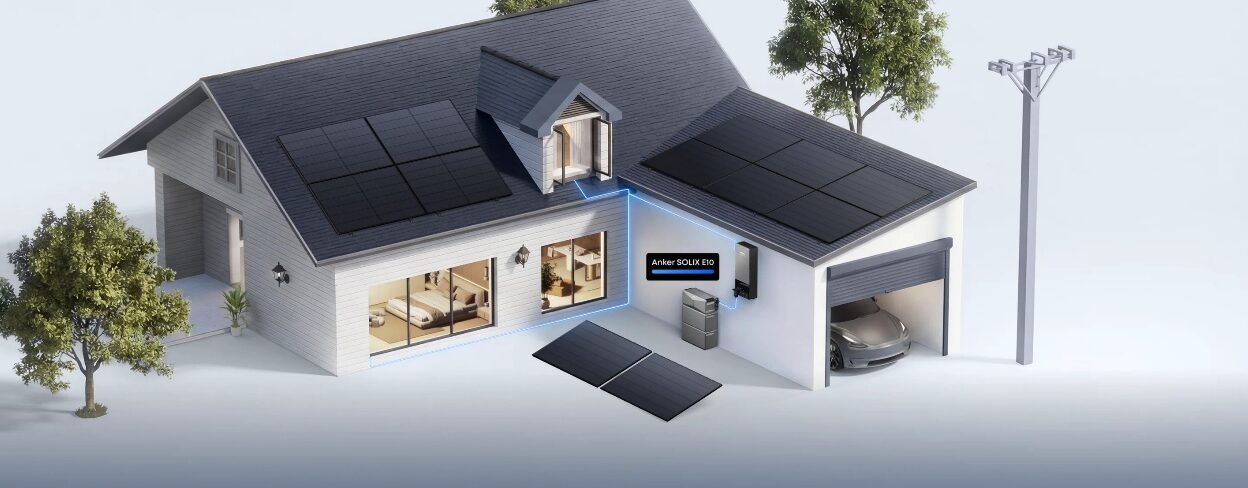
A power outage affects everyday life, but the correct backup system can keep your needs operational. From weather catastrophes to grid breakdowns, having a dependable power source provides peace of mind and comfort. Not all solutions are made equal, and your choice is based on how much electricity you use, how frequently outages occur, and your budget. Whether you want to keep the lights on or power your entire house, knowing your alternatives allows you to make the best decision. This article compares the finest backup power systems for houses and explains how to select the one that best meets your needs.
What Home Backup Power Options Are Available?
Standby Generators for Whole‑House Backup
Standby generators are permanently installed devices that activate automatically when the electricity fails. They use natural gas or propane to generate electricity for your whole home, including HVAC systems, kitchen appliances, and water heaters. These generators connect to your home’s electrical system via a transfer switch and provide a high output continually. While they provide convenience and peace of mind, they have greater initial and installation expenses. Routine maintenance is necessary to keep them functional. Standby generators are appropriate for places with frequent or long-term outages, as well as homeowners who desire continuous electricity without having to manage portable units or fuel manually.
Portable Generators for Essentials
Portable generators are smaller, gas-powered devices that are intended to keep important appliances operating during short-term outages. They are less expensive and easier to store than standby devices, but require manual setup and replenishment. Depending on the wattage, a typical unit may power appliances such as refrigerators, lights, routers, and medical devices. To properly connect them, use heavy-duty extension cables or a manual transfer switch. Portable generators should always be used outdoors, away from windows and doors, due to the pollutants they create. These units are ideal for occasional usage or to power important loads during an emergency. This is a cost-effective option for basic protection.
Battery Backup Systems and Power Stations
Battery backup systems and portable power stations operate quietly and without the need for fuel, making them suitable for interior usage. These devices collect electricity from the grid or solar panels and supply it when the power goes off. Homeowners may select between tiny portable units for key electronics and bigger, wall-mounted batteries for whole-house use. They need low maintenance and function automatically or with little human intervention. Unlike generators, they emit no noise or pollutants, making them perfect for urban or residential situations. While the initial cost may be greater, incentives and long-term energy savings make them an excellent choice for contemporary backup power.
How to Choose the Right Backup Power for Your Needs?
Assess Your Power Load and Runtime
Begin by making a list of all the equipment and gadgets you wish to power during an outage. Include crucial systems such as refrigerators, lighting, Wi-Fi, sump pumps, and medical equipment. Check the wattage of each item and estimate how long you’ll need them to run. Add the values to determine your overall power load and runtime needs. This allows you to select a system with the appropriate capacity, whether it’s a portable generator for 1,000 watts or a whole-house solution capable of 10,000 watts or more. Remember to account for surge watts while using equipment such as refrigerators or microwaves. Matching output and runtime to your requirements guarantees constant performance during outages.
Compare Fuel Types and Costs
Backup systems employ a variety of energy sources, including gasoline, propane, natural gas, solar, and grid power. Fuel type affects cost, availability, noise, and environmental effects. Gasoline is readily available, but it must be refueled frequently and cannot be stored for an extended period of time. Propane burns cleaner and lasts longer, but tanks require room. If you already have natural gas, you may use it to power standby generators. Battery backups use stored power and do not require gasoline, but they must be recharged using solar or the grid. Consider fuel expenses over time, especially during prolonged outages. If you want to use renewable energy or live off-grid, solar-compatible battery solutions may be the best long-term investment.
Installation, Safety, and Maintenance
Installation varies greatly between systems. Standby generators require expert installation, permits, and a gas hookup. Portable generators are simple to store, but they require manual operation and secure storage away from the home. Battery systems are typically installed indoors and wired through your main panel, generally by a qualified electrician. Consider safety—fuel generators release carbon monoxide and should never be used indoors, whereas batteries are safer but require sufficient ventilation and surge protection. Maintenance is also important: generators require oil changes and inspections, while batteries usually require software updates and periodic checkups. Choose a system that meets your available space, technological comfort level, and long-term dependability requirements.

Conclusion
Choosing the right backup power system starts with understanding your needs, available fuel sources, and how much of your home you want to power. Whether you go with a permanent standby generator, a portable unit for key appliances, or a quiet, indoor battery backup for home, each option comes with trade-offs. Consider your budget, outage frequency, and comfort with setup and maintenance. The optimal option is one that strikes a balance between convenience, safety, and affordability while keeping your household operating smoothly. With the correct infrastructure in place, you’ll be prepared for the next outage, regardless of how long it lasts.