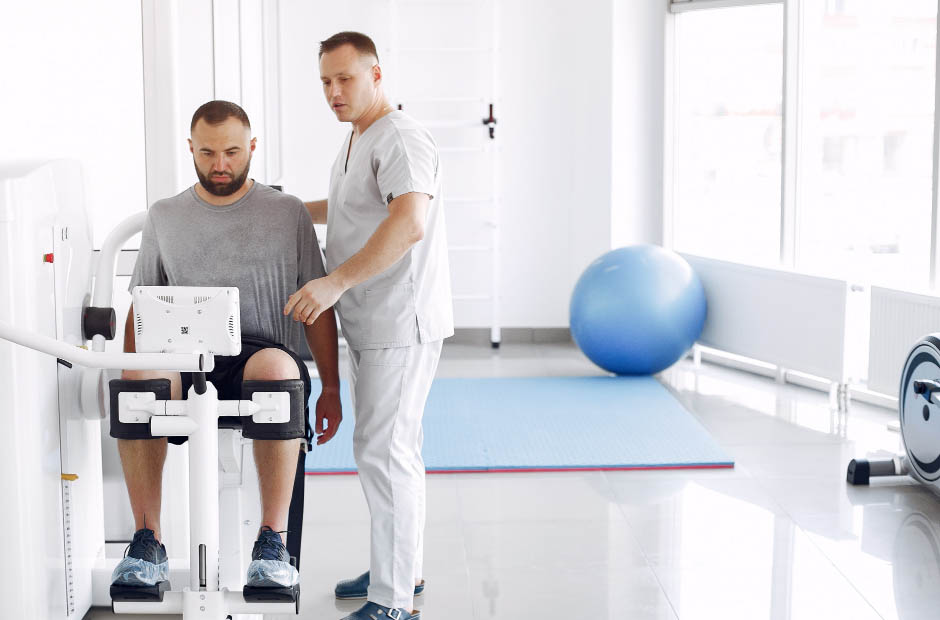
Physical therapy clinics have long been centers for hands-on healing, relying on the skilled touch and expert knowledge of therapists to guide patients toward recovery. While this fundamental aspect of care remains unchanged, the tools available to support it have evolved dramatically. Modern clinics are now integrating a wide range of technologies to make treatments more precise, engaging, and effective. These innovations are not replacing traditional methods but are amplifying their impact, helping patients achieve their recovery goals faster and with greater confidence.
Precision in Assessment and Treatment
One of the most significant ways technology is changing physical therapy is by providing objective data. Advanced diagnostic tools allow therapists to move beyond simple observation and capture measurable insights into a patient’s condition.
Advanced Motion Capture and Analysis
Sophisticated motion capture systems use sensors and cameras to create a detailed digital model of a patient’s movement. This technology can analyze gait, balance, and joint angles with a level of accuracy that the human eye cannot match. A therapist can use this data to pinpoint subtle compensatory movements or instabilities that might be the root cause of pain. By identifying these specific issues, they can create highly targeted exercise programs designed to correct the exact biomechanical flaws, leading to more efficient rehabilitation.
Biofeedback and Neuromuscular Re-education
Biofeedback devices provide patients with real-time information about their own physiological processes. For example, electromyography (EMG) sensors can be placed on the skin to measure muscle activation. As a patient performs an exercise, they can see or hear feedback that tells them if they are engaging the correct muscles. This immediate input helps with neuromuscular re-education, allowing patients to retrain their brains to fire muscles properly after an injury or surgery. It turns a simple exercise into a powerful lesson in motor control.
Streamlining the Patient Experience
Technology also plays a crucial role behind the scenes, ensuring that the entire patient journey is smooth and organized. When administrative tasks are handled efficiently, therapists have more time to dedicate to what matters most: direct patient care.
Centralized and Accessible Records
The shift from paper charts to digital records has streamlined how patient information is managed. A comprehensive physical therapy EMR system serves as a central hub for all clinical documentation, from initial evaluations to daily progress notes. This ensures that every member of the care team has instant access to the latest information, promoting continuity of care. It also allows therapists to quickly track progress over time, view outcome measures, and make data-driven adjustments to the treatment plan without sifting through cumbersome files.
Enhancing Communication and Engagement
Patient engagement is a critical factor in successful recovery. Digital tools like patient portals and secure messaging platforms create a direct line of communication between the patient and the clinic. Patients can ask non-urgent questions, access their home exercise programs, and receive educational materials directly from their therapist. This continuous connection helps patients feel supported between appointments and empowers them to take a more active role in their rehabilitation process.
Expanding Access and Adherence
Technology is breaking down barriers to care and finding new ways to keep patients motivated. Virtual tools and wearable devices are extending the reach of the clinic far beyond its physical walls.
The Rise of Telerehabilitation
Virtual health services allow therapists to conduct sessions with patients remotely. This is particularly beneficial for individuals with mobility challenges, those living in rural areas, or patients who have difficulty scheduling in-person visits. Through secure video platforms, therapists can guide patients through exercises, assess movement, and provide real-time feedback. This convenient option improves access to care and ensures that patients can continue their progress without interruption.
Wearable Technology for Progress Tracking
Wearable sensors and activity trackers provide a continuous stream of data on a patient’s daily life. These devices can monitor step counts, sleep patterns, and adherence to home exercise programs. This information gives the therapist valuable insight into how the patient is functioning outside of the clinic. It helps them understand real-world challenges and tailor their advice accordingly, promoting better habits and long-term wellness.
A Hybrid Approach to Healing
The integration of technology into physical therapy is not about creating a hands-off experience. Instead, it is about blending the best of both worlds. By combining data-driven insights with the empathetic, hands-on care that therapists provide, clinics can offer a more holistic and effective path to recovery. These tools empower both the provider and the patient, creating a collaborative environment focused on achieving the best possible outcome.