Key Takeaways
- Memory care communities establish clear routines that reduce confusion and help residents feel secure.
- Care is personalized, reflecting each resident’s preferences and abilities for maximum engagement and comfort.
- Therapies and activities are selected to stimulate memory, encourage social interaction, and boost quality of life.
- Facilities prioritize both safety and respectful autonomy, ensuring every resident’s dignity and well-being.
Understanding what daily life looks like inside a dedicated memory care setting is essential for families considering the best options for a loved one with dementia or Alzheimer’s. These communities, including a memory care community in Visalia, offer thoughtfully structured routines, specialized support, and a vibrant daily calendar, all tailored to help residents lead safe, purposeful, and engaging lives. For many families, finding a place that balances personal independence with compassionate supervision can provide much-needed peace of mind during a challenging time.
From the moment residents begin their day to evening activities and relaxation, every aspect of care is focused on enhancing well-being, dignity, and comfort. Environments are specifically designed to minimize anxiety and confusion by using consistent schedules and familiar spaces. Staff are trained to understand the unique needs of individuals with memory loss, ensuring safety and fostering connections throughout the day. By choosing the right memory care community, families can be confident their loved one is supported by professionals who recognize the importance of structured routines, socialization, and security.
Morning: Establishing a Predictable Routine
In memory care communities, mornings are carefully planned to provide residents with structure and reassurance. The day typically begins with care assistance for hygiene and personal needs. Breakfast is often served in communal dining spaces, where residents are encouraged to connect with peers and staff in a welcoming atmosphere. This early routine signals the start of the day, helping residents orient themselves in time and place, which is crucial for individuals with memory impairment.
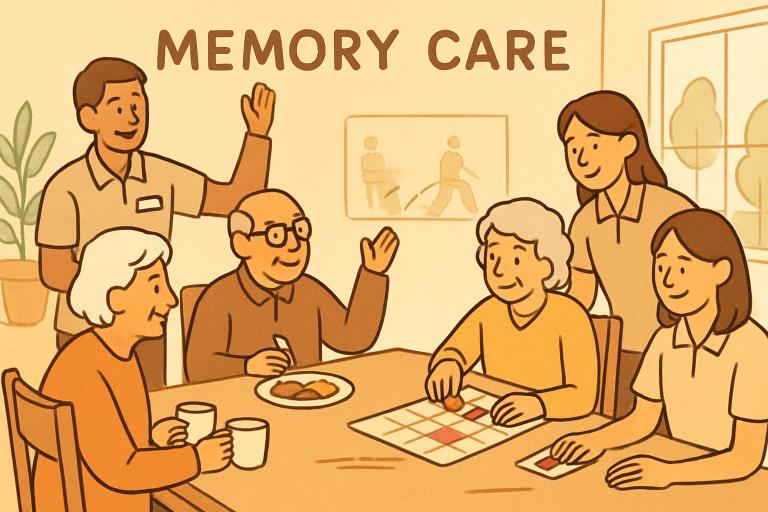
Soon after breakfast, gentle movement exercises or brain-stimulating games are introduced. These might include chair yoga, music therapy sessions, or matching games that promote cognitive function. Studies show that engaging in these activities early in the day helps boost mood and alertness, supports physical health, and encourages positive social connections.
Midday: Personalized Activities and Social Interaction
The midday period in a quality memory care community is all about engagement and interaction. Residents enjoy lunch, often featuring familiar and nutritious foods, before transitioning to a mix of group and individualized activities. Care teams tailor these opportunities based on each person’s interests, abilities, and history. Art classes, gardening, musical performances, and reminiscence therapy are standard, all of which help residents maintain essential life skills and forge friendships.
Socialization at this time offers more than entertainment. It combats the feelings of isolation prevalent among those with memory loss and stimulates brain areas associated with memory retention and positive emotions. Special programs, like storytelling circles or gentle group exercise, help create purposeful moments throughout the day.
Afternoon: Therapeutic Programs and Rest
After lunch and activities, afternoons often include therapies focused on well-being and connection. Communities might feature music or pet therapy, both proven to elicit positive responses and provide emotional comfort. Many communities are embracing Montessori-inspired programs, where residents select purposeful tasks and maintain independence as much as possible. These activities can boost mood, foster a sense of achievement, and reduce agitation. For example, Montessori-style programs often enable residents with dementia to participate in real-life tasks, fostering self-worth and social interaction.
Quiet time is also available for rest or one-on-one visits. This midafternoon respite allows residents to recharge and prevents late-day confusion, sometimes called “sundowning,” which is common among those with Alzheimer’s and related dementias.
Evening: Relaxation and Family Engagement
Evenings are designed to cultivate relaxation, calm, and togetherness. Activities may include movie nights, guided meditation, calming music, or storytelling sessions. The transition from the day’s busyness to a slower-paced evening is purposeful, as familiarity at this time of day can ease anxiety and promote better sleep.
Family involvement is strongly encouraged, with communities often hosting regular events and visits. These gatherings help strengthen bonds, maintain family traditions, and provide extra comfort for residents. Such engagement also reassures loved ones that their family member is thriving within a supportive environment.
Safety and Security Measures
The physical environment and operational protocols in memory care are created with resident safety in mind. Secure entry points and perimeter monitoring safeguard against wandering, while inviting outdoor spaces are designed to allow residents to enjoy fresh air and nature within safe boundaries. Staff receive comprehensive training to anticipate risks and respond promptly, supporting residents at any hour of the day or night. Emergency call systems, regular wellness checks, and detailed communication with families are all standard features.
Innovative Approaches to Enhance Quality of Life
Memory care communities continue to innovate to enhance resident well-being. Many now use wearable technology for health tracking, alerting staff to changes in mobility or sleep patterns before issues arise. The physical design of memory care wings is also evolving, with layouts resembling cozy neighborhoods or households that nurture independence while keeping residents close to supervision. These creative solutions reflect a broader aim to blend high safety standards with comfort and autonomy.
Conclusion
Every detail of daily life in a memory care community is thoughtfully designed to provide a safe, supportive, and stimulating environment for residents. Personalized care plans address each individual’s unique needs, while innovative therapies, ranging from cognitive exercises to creative and recreational programs, help maintain mental and emotional well-being. Staff members are trained to foster dignity, respect, and meaningful engagement, ensuring residents feel valued and connected. Family involvement is encouraged, offering peace of mind and reassurance that loved ones receive compassionate, attentive care. These communities create an atmosphere where safety, enrichment, and genuine human connection combine to enhance quality of life.