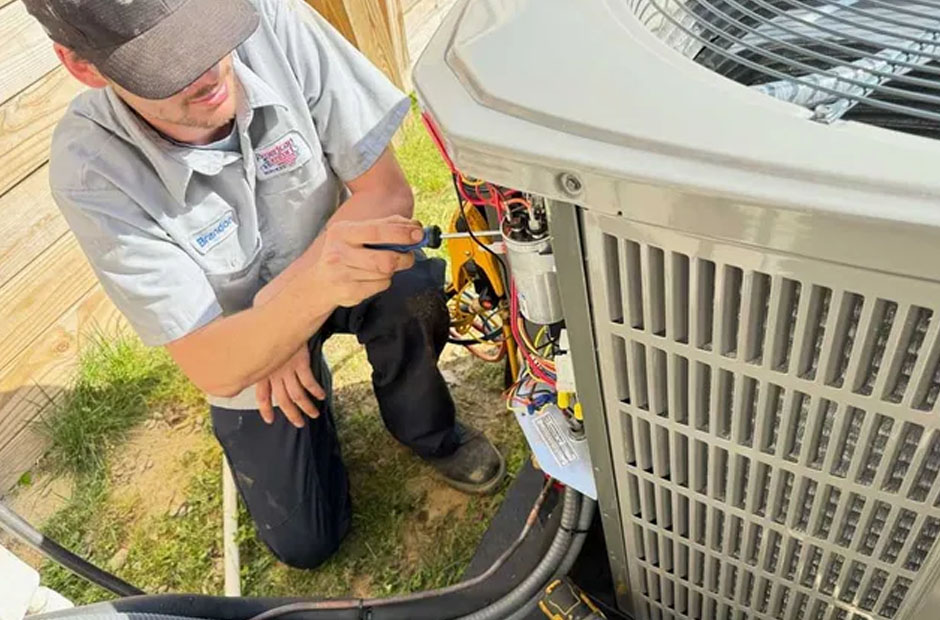
When a home’s temperature changes suddenly, it often feels confusing and frustrating, points out Summerlin Property Management team. One moment, the rooms feel comfortable; the next, the air becomes too warm, too cold, or uneven from one area to another. Changes in outdoor weather do not always cause these shifts. In many cases, sudden temperature swings indicate the HVAC system is struggling to regulate airflow, thermostat feedback, or equipment output. Sometimes the system cycles on and off too quickly. At other times, it runs longer but still can’t maintain a consistent indoor feel. These comfort shifts can happen without the system “breaking,” which makes the problem harder for homeowners to interpret. HVAC services for sudden temperature changes focus on diagnosing the cause, restoring balance, and preventing the issue from turning into a complete failure. When comfort changes unexpectedly, professional testing and targeted adjustments can quickly reveal what is happening behind the scenes.
Stabilizing Home Comfort
Why Sudden Indoor Temperature Changes Happen
Sudden temperature changes can originate from several sources, and many are interconnected. A common cause is improper thermostat feedback. If a thermostat is placed near a draft, sunlight, or heat-producing appliances, it may read the wrong temperature and trigger unnecessary cycling. Another cause is airflow instability. A clogged filter can reduce airflow, causing rooms to heat or cool unevenly. Duct leaks can also cause temperature shifts by allowing conditioned air to escape before it reaches living areas, making some rooms feel hotter or colder without warning. Electrical component wear is another factor. Weak capacitors, failing sensors, or worn relays can cause the system to cycle unpredictably. Refrigerant issues can also cause sudden comfort changes because low refrigerant levels reduce cooling capacity, resulting in inconsistent supply-air temperature. HVAC service focuses on identifying whether the problem is control-based, airflow-based, or equipment-based, because each category requires a different solution.
How HVAC Technicians Diagnose the Real Cause
Professional HVAC service begins by confirming the complaint and then working backward through the system’s operation. Technicians typically check the thermostat’s behavior first, verifying calibration, program settings, and temperature accuracy. They also inspect how the system responds to thermostat calls—whether it starts smoothly, runs steadily, and shuts off properly. Airflow checks follow, including filter condition, blower performance, and return vent obstruction. Many contractors also measure the temperature split between supply and return air to determine whether cooling or heating output is stable. During a visit focused on sudden temperature swings, technicians often look for patterns across rooms, because uneven distribution is a strong clue of duct or airflow problems. Homeowners who experience sudden temperature shifts usually contact AC repair specialists in Florence for troubleshooting, as these changes often require measurement tools rather than simple guesswork. A technician can confirm whether the system is under strain or simply misreading conditions.
Temperature Swings Have a Source
Sudden temperature changes usually happen when airflow, controls, or equipment output becomes inconsistent. HVAC services restore stability by testing each stage of system operation and correcting root imbalances.
Airflow Balancing and Duct System Corrections
One of the most common solutions for temperature swings is airflow correction. When airflow is restricted, the system may overheat in heating mode or struggle to remove heat in cooling mode. This can cause the HVAC unit to cycle unevenly, producing temperature spikes and drops. Technicians check for blocked vents, closed registers, and return-air restrictions that prevent balanced circulation. If duct leakage is present, temperature stability suffers because airflow delivery becomes unpredictable. In these cases, sealing duct joints and fixing disconnected sections can immediately reduce sudden shifts in room temperature. Technicians may also evaluate static pressure to determine whether the system is pushing against high resistance. When pressure is too high, airflow becomes unstable, causing temperature changes from room to room. Balancing airflow through dampers, adjusting register flow, and addressing duct restrictions helps stabilize indoor conditions.
Equipment Performance Issues That Cause Output Fluctuations
Sudden temperature changes can also happen when the HVAC unit’s performance fluctuates. This is common when parts are nearing failure. A weak capacitor may cause the compressor or blower to start intermittently, reducing output without a complete shutdown. A failing blower motor may run at reduced speed, resulting in low airflow and temperature fluctuations. Refrigerant problems are another major cause. When refrigerant levels drop, the system may cool unevenly, especially during long cycles, because the evaporator coil may not absorb heat properly. Coil icing can form, causing sudden warm-air delivery until the ice melts; performance then improves temporarily, creating a cycle of instability. A professional HVAC service visit looks for signs such as ice on refrigerant lines, moisture buildup, abnormal noise, and irregular cycling patterns. Addressing these issues early prevents a full breakdown and helps maintain comfort.
Thermostat and Control Adjustments for Better Regulation
Sometimes temperature swings are caused more by system control than mechanical failure. Thermostats may be miscalibrated, placed in an improper location, or programmed to cause rapid temperature swings. Smart thermostats can also create discomfort if settings are too aggressive, such as frequent setbacks and rapid recovery attempts. HVAC service may include relocating the thermostat, updating wiring connections, or adjusting cycle rates to reduce swing. In multi-level homes, zoning controls can also contribute to sudden temperature differences if dampers are sticking or control sensors are inaccurate. Technicians test these control components to confirm signals are stable and responses are predictable. When control accuracy improves, the home feels more consistent even without major equipment changes.
Seasonal Load Changes and Home Heat Transfer Effects
Not every comfort swing is an equipment failure. Sudden indoor temperature changes can occur because the home’s heat load shifts suddenly. For example, direct sunlight can quickly heat certain rooms. Wind changes can create drafts that cool areas near windows or attic spaces. Temperature shifts also occur when changes in humidity affect how warm or cool the air feels. HVAC service can include inspecting insulation gaps, return-air placement, and airflow patterns that affect how heat moves through the home. Some homes benefit from airflow adjustments in response to seasonal patterns, particularly in spring and fall when conditions change quickly. HVAC technicians often recommend practical airflow and thermostat strategies to help homes remain stable despite changing outdoor conditions.
HVAC Service Restores Predictable Comfort
Sudden temperature changes in the home are usually a sign of instability in airflow, thermostat control, duct performance, or equipment output. HVAC services address these shifts by diagnosing the real cause through measurement, not assumptions. Technicians check thermostat accuracy, cycling behavior, airflow delivery, duct leakage, electrical components, and refrigerant performance. Correcting airflow restrictions, sealing ducts, improving system regulation, and addressing worn parts restores consistent comfort and reduces the risk of sudden breakdowns. When indoor temperature becomes unpredictable, professional HVAC service turns confusion into clarity and restores consistent comfort to the home.