After construction, remodeling, or even small repair projects, indoor spaces often look finished but still feel uncomfortable, shares Fireside Property Management Campbell team. That is because paint splatter, grout haze, adhesive residue, and fine dust remain on surfaces long after the tools are gone. These materials stick differently from normal household dirt—paint bonds to trim edges and fixtures. Grout leaves a cloudy film across the tile. Fine dust settles into vents, baseboards, and hidden corners, then re-entrains into the air through foot traffic and HVAC circulation. Standard cleaning methods may smear these residues rather than remove them. Professional cleaning services use a structured process, proper tools, and the right cleaning chemistry to lift paint spots, break down grout residue, and remove dust safely without damaging surfaces. This type of cleaning improves not only appearance but also indoor comfort and air quality.
How Professional Removal Works
Identifying the Material Before Cleaning Starts
Before scrubbing begins, cleaning services confirm what kind of residue they’re dealing with. Paint may be water-based or oil-based, and each requires different removal methods. Grout residue may be fresh haze or a hardened buildup along the edges. Fine dust can include drywall dust, sawdust, cement particles, and insulation debris, each of which behaves differently. Professionals start by inspecting surfaces and choosing the safest approach for tile, glass, stainless steel, painted walls, hardwood, vinyl, or laminate. This step prevents accidental damage. For example, aggressive scraping on soft tile glaze can cause scratches, and the wrong solvent can dull finished wood or soften caulking. Cleaning teams often plan the work order as well, because dust and grout haze tend to reaccumulate if surfaces are cleaned in the wrong sequence.
Removing Paint Without Damaging Surfaces
Paint removal requires precision. Professional cleaners use plastic scrapers, soft blades, and controlled solvents to safely remove debris from glass, metal, and hard surfaces. Instead of scraping aggressively, they soften paint first, then lift it away carefully. This reduces scratching and protects finishes. Paint spots around trim, hinges, outlets, and baseboards are removed slowly to avoid peeling the underlying coatings. Some places may require repeated softening rather than force. In many post-project cleaning routines, companies such as Noble Clean focus on careful detailing because most paint residue appears in tight edges where heavy tools cannot be used. This level of detail is what distinguishes professional service from basic wipe-down cleaning.
Dust and Residue Need Different Tools
Fine dust requires capture, not spreading. Paint requires softening and lifting. Grout haze requires chemical breakdown and rinsing. Professional cleaning works because each material is treated differently, instead of using one method for everything.
Grout Haze Removal and Tile Detailing
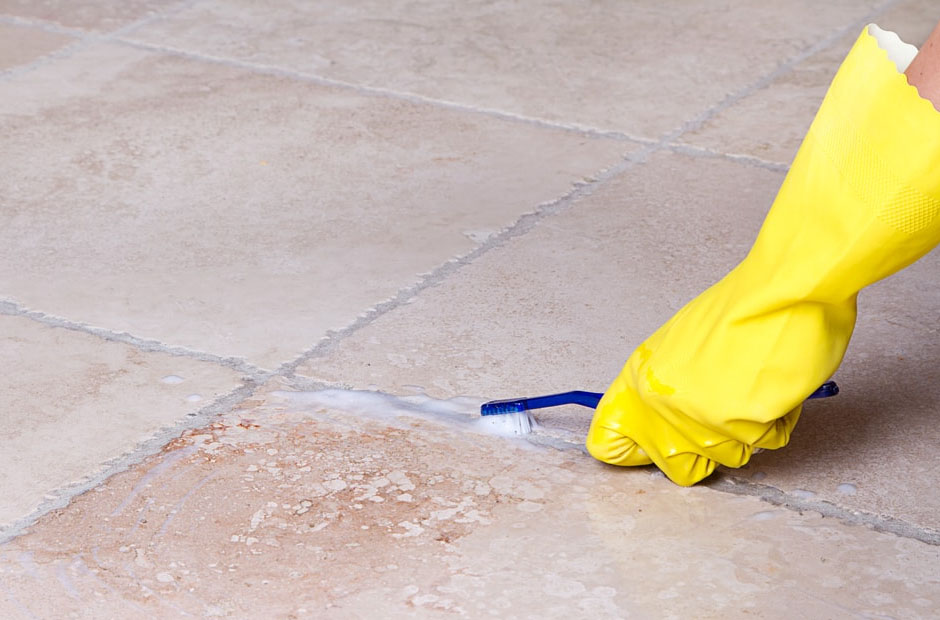
Grout haze is one of the most stubborn post-work residues. It often appears as a dull film on tile surfaces, especially after new tile installation or bathroom renovation. If haze is not removed properly, it hardens and dulls the tile permanently. Professional cleaners use tile-safe acidic or neutral haze removers depending on the type of tile and grout. The solution is applied, allowed to dwell briefly, and then scrubbed using non-scratch pads or soft brushes. The key step is rinsing. If the area is not rinsed thoroughly, haze can re-deposit, leaving streaks. Professionals repeat the process as needed rather than forcing a harsh approach. They also detail grout lines, corners, and edges because grout can build up where tile meets baseboards, tubs, or shower pans. This work improves tile brightness and keeps bathroom surfaces looking clean rather than cloudy.
Fine Dust Removal Through Controlled Capture
Fine dust is not removed by ordinary sweeping because sweeping often lifts particles into the air. Dry dust also adheres to surfaces due to static electricity. Professional cleaning services remove fine dust through controlled capture. This includes HEPA-filter vacuuming, microfiber wiping, and damp detailing. The process usually starts at the highest points and moves downward: ceiling corners, vents, trim tops, shelves, window ledges, then floors. HEPA vacuums prevent dust from being re-aerosolized. Microfiber cloths trap particles instead of pushing them around. Damp cleaning reduces airborne spread and prevents resettling. This matters because fine dust can irritate the respiratory system and make a space feel “unfinished” even after construction ends. Proper dust capture delivers a noticeable improvement in comfort.
Detailing Vents, Baseboards, and Hidden Corners
Fine dust tends to collect in areas people often overlook: behind toilets, under vanities, around HVAC return vents, on top of door frames, and along baseboards. Professional cleaners focus on these zones because they continually release dust. If those areas remain dusty, the room will never feel fully clean. HVAC vents and returns are especially important because airflow pulls dust into circulation. Cleaning services carefully wipe and vacuum vent areas, ensuring dust does not fall back into the duct openings. By addressing hidden corners, professionals prevent dust from re-depositing on visible surfaces.
Finishing Work That Prevents Residue Return
After removing paint, grout haze, and fine dust, professionals complete finishing steps that help keep surfaces clean longer. This includes final rinse passes, polishing glass, wiping fixtures, and checking for smears under various lighting conditions. Many residues become visible only when light hits at an angle. Professionals also repeat vacuuming at the end because dust often falls during detail work. The finishing stage ensures the cleaning is complete, not partial. It also reduces the chance that occupants will continue to inhale fine dust or touch gritty surfaces in newly renovated areas.
Specialized Cleaning Creates True “Move-In Clean”
Cleaning services remove paint, grout, and fine dust by using the right tools and methods for each material. Paint residue is carefully softened and lifted. Grout haze is broken down with tile-safe solutions and thorough rinsing. Fine dust is captured through HEPA vacuuming and microfiber detailing rather than pushed around. These steps improve indoor comfort by reducing airborne particles, removing gritty residue, and restoring surfaces to a clean, finished feel. Post-work mess requires more than basic cleaning because these materials bond and settle differently from ordinary dirt. When professionals handle the cleanup properly, the space becomes not only visually clean but also comfortable to breathe in, touch, and live in again.