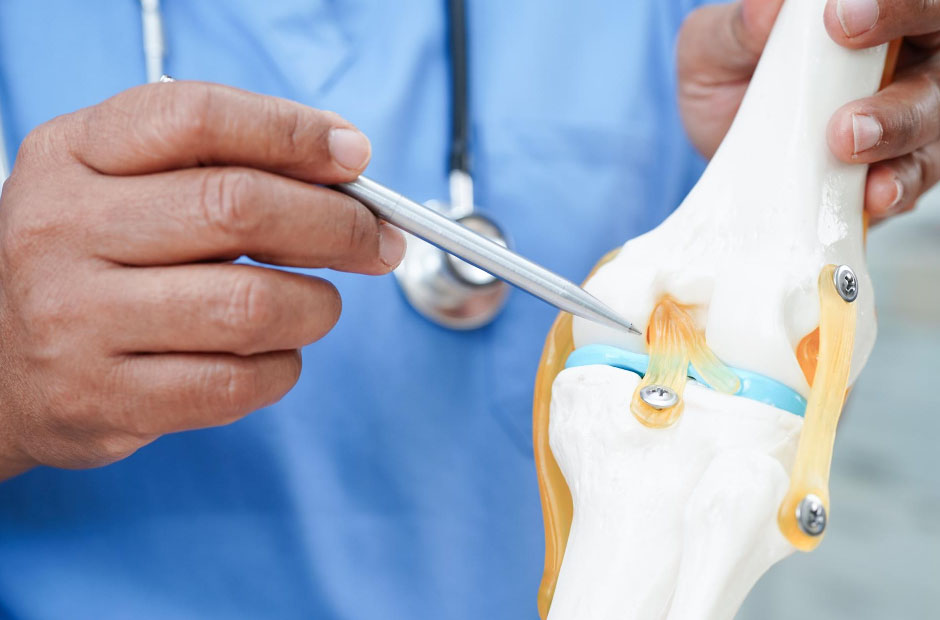
Knee replacement surgery is often discussed as a single event, but it is actually a multi-stage process that starts long before the operating room and continues well after the incision heals. Many people reach this decision after years of stiffness, swelling, and pain that make daily routines feel like constant negotiation—walking, climbing stairs, standing from a chair, or sleeping comfortably. The procedure is designed to reduce pain and improve function when joint damage from arthritis or injury has progressed beyond what non-surgical care can manage. Because outcomes depend on planning, preparation, and recovery habits, understanding how the pieces fit together helps patients feel less overwhelmed. A clearer picture also supports better conversations with the care team about goals, expectations, and risks, allowing the decision to be made with confidence instead of urgency.
From Decision to Recovery
When Knee Replacement Becomes a Consideration
Knee replacement is usually considered when pain and limited movement continue despite conservative care such as physical therapy, activity modification, weight management, injections, and anti-inflammatory medication. People often describe a shift from occasional discomfort to a persistent pattern: the knee hurts during everyday activities and takes longer to recover after minor activities. Stiffness in the morning, swelling after walking, and an unstable feeling when turning or stepping down can signal that the joint surface is no longer functioning smoothly. Imaging tests, such as X-rays, help confirm the extent of cartilage loss or bone changes, but the decision is not based solely on imaging. It is also based on how symptoms affect life, work, sleep, independence, and mental well-being. Many patients research regional options and timelines while planning time off and support at home, and some begin by looking into Houston knee replacement surgery to compare programs, surgeon availability, and hospital resources. The key is recognizing that the goal is not just pain relief; it is restoring reliable movement and reducing the daily limits the knee has imposed.
Pre-Surgery Planning and Medical Readiness
Preparation shapes recovery more than most people expect. Before surgery, patients often undergo medical clearance to assess heart and lung health, blood pressure, blood sugar control, and anemia risk. This step reduces complications and helps the body heal efficiently afterward. Many care teams recommend “prehab,” which is targeted physical therapy before surgery to build leg strength, improve flexibility, and train safer movement patterns. Stronger muscles around the knee and hip can support faster walking and better balance after the procedure. Home preparation matters too because early recovery includes limited mobility, swelling, and the need for safe pathways. Small changes—rearranging furniture, securing rugs, setting up a comfortable sleeping area, and planning help for meals—can reduce fall risk and stress. Patients also review medication plans, including how to safely manage blood thinners and pain control. Preparing mentally is important as well; understanding that swelling and fatigue are normal in the early weeks helps patients stay consistent with their rehabilitation rather than feeling discouraged by temporary setbacks.
What Happens During the Surgical Procedure
Knee replacement surgery replaces damaged joint surfaces with implant components designed to reduce friction and restore smoother motion. Surgeons remove worn cartilage and reshape the ends of the femur and tibia so the implant fits securely. Depending on the situation, the underside of the kneecap may also be resurfaced. The implant components are typically made of metal and high-grade plastic, which serve as the new joint surfaces. The surgery is performed under anesthesia, and the care team monitors vital signs and comfort throughout. Although the procedure itself is a key step, it is only one part of the overall process. The joint may feel stiff and swollen afterward, and the body must adjust to the new mechanics through rehabilitation. Surgeons also focus on alignment and joint stability, because small alignment differences can affect how the knee feels during walking and climbing stairs later. After the procedure, patients are monitored for pain control, circulation, and early mobility goals before discharge planning begins.
Early Recovery: Pain Control, Swelling, and Mobility
The first weeks after knee replacement are often a blend of progress and discomfort. Swelling is common and can make the knee feel tight even as motion improves. Pain control strategies typically combine medication, icing, elevation, and movement to reduce stiffness and promote circulation. Early mobility is a major priority because walking and gentle exercises support healing and reduce the risk of complications, such as blood clots. Physical therapy usually begins quickly, sometimes the same day or the day after surgery, focusing on safe walking, knee bending and straightening, and basic strength work. Many patients use a walker initially, then transition to a cane as balance and strength return. Sleep can be challenging during early recovery due to swelling and discomfort, so pacing activity and following a consistent recovery routine help. The goal of early recovery is not intense exercise; it is steady, repeated movement that rebuilds function while allowing tissues to heal. Setting realistic expectations reduces frustration and helps patients stay committed to daily rehab tasks.
Rehabilitation and Regaining Daily Function
Rehabilitation is the bridge between surgery and real-life comfort. Physical therapy focuses on restoring range of motion, rebuilding strength in the quadriceps and surrounding muscles, and retraining walking patterns so the knee moves smoothly. Many patients work toward specific milestones, such as comfortable stair use, improved balance, and the ability to stand and sit without compensation. Swelling can persist for months and may come and go with activity levels, so rehab often includes learning to pace activity and recover effectively. Progress is not always linear; some days feel easier than others, especially when activity increases or therapy becomes more challenging. Consistency is more important than intensity because the joint needs time to adapt to new movement patterns. Rehab also addresses the hip and ankle, since these joints influence knee alignment and stability. Over time, patients usually notice that everyday movement requires less thought and less guarding. The goal is a knee that feels reliable during normal activities, not a knee that demands constant attention.
Long-Term Outcomes, Limitations, and Maintaining the New Joint
Long-term success depends on both the implant and the habits that protect it. Many patients experience significant pain reduction and improved ability to walk, travel, and participate in daily activities. However, knee replacement is not the same as having a natural knee; some people feel occasional stiffness, altered sensation near the incision, or discomfort during kneeling. Maintaining strength and a healthy body weight helps reduce stress on the implant, and staying active supports joint function and overall health. Low-impact activities like walking, cycling, and swimming are often encouraged, while high-impact jumping and certain intense sports may be discouraged to reduce wear and tear. Follow-up appointments help monitor implant performance and address concerns early. Patients are also advised to watch for signs of infection or unusual swelling, even long after surgery, because early intervention matters. With realistic expectations and ongoing care, many people find that the knee becomes a tool for independence again, allowing them to move through life with fewer restrictions.
A Structured Path Toward Better Mobility
Knee replacement surgery is most successful when it is viewed as a structured path rather than a one-day fix. The decision is guided by how symptoms affect daily life, and preparation helps the body handle surgery and recover more smoothly. The procedure replaces damaged joint surfaces, but rehabilitation is what turns that new joint into functional movement. Early recovery focuses on controlling swelling, building safe mobility, and maintaining steady progress through therapy. Over the long term, strength, activity choices, and follow-up care help protect the implant and support lasting comfort. For many patients, the outcome is not just reduced pain; it is restored confidence in movement—walking, climbing stairs, and living with a knee that feels dependable again.