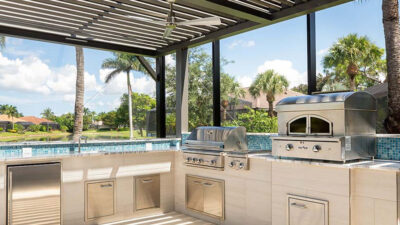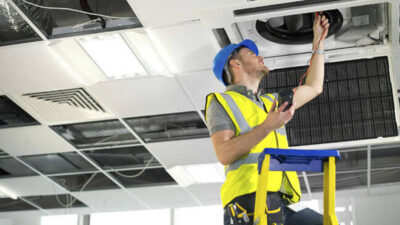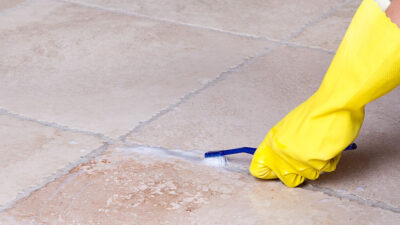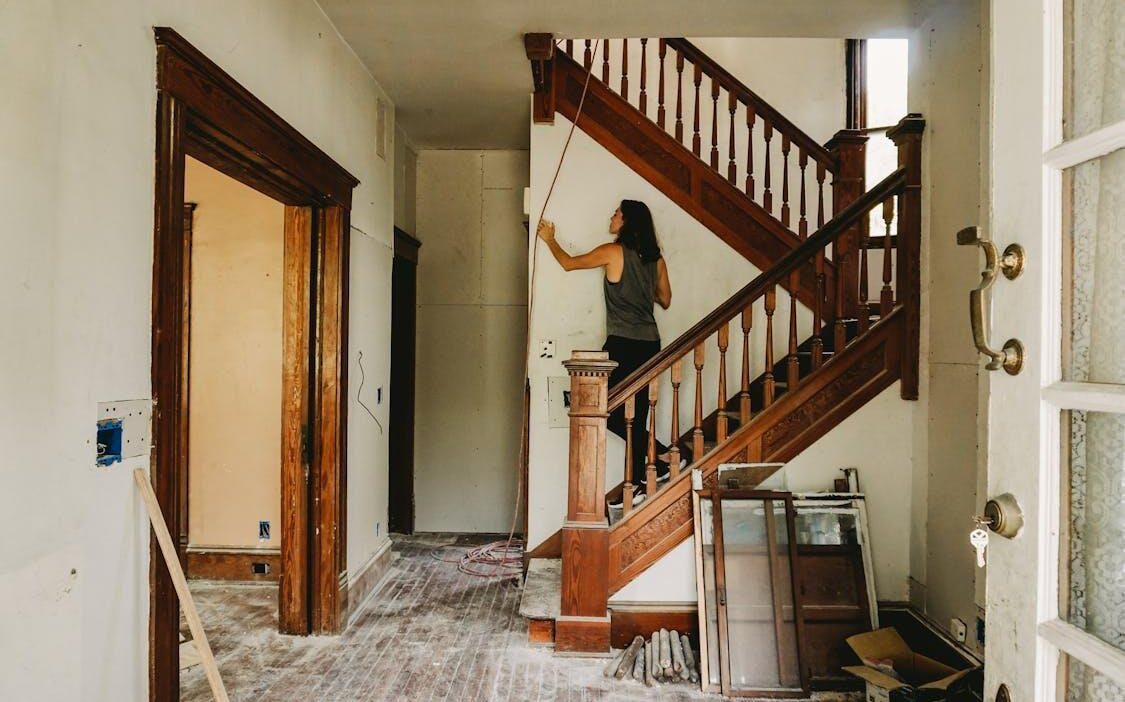
Fresh finishes and updated layouts give the impression that everything behind the walls has been resolved, along with what is visible, highlights Gulf Income Properties, a leading Manatee County property management company. This impression shapes how homeowners think about maintenance, repairs, and long-term performance. Renovation work, however, usually focuses on selected areas rather than the entire structure. Many original systems and materials remain in place, continuing to function as they always have.
Unexpected issues tend to grow from this overlap between new work and existing conditions. Plumbing lines, framing, airflow paths, and enclosed spaces keep operating under their original limits. Renovation changes how these elements interact, even if they are not directly modified.
Pest Activity
During renovation, walls, ceilings, and floors are often closed up quickly to keep projects moving forward. Interior cavities that once allowed visibility become sealed behind drywall, cabinetry, or flooring. Pests already present inside the structure remain undisturbed and continue their activity within enclosed spaces. Finished surfaces make early signs harder to notice, allowing damage to progress quietly.
Managing this type of issue requires methods that work without reopening completed areas. Professional pest control and extermination services, such as Nozzle Nolen, focus on locating and treating activity within concealed spaces. Their approach recognizes that pest issues frequently stem from conditions that renovation work did not remove. Targeted treatment protects the home while preserving finished interiors.
Material Reactions
Renovation introduces new materials that rely on stable backing and predictable conditions. Older surfaces beneath those materials may hold moisture, residue, or surface variation from years of use. Adhesives and fasteners respond to those conditions in ways that are not always visible at installation.
As daily use continues, tension develops where materials interact unevenly. Surface issues such as lifting, cracking, or texture changes point to compatibility challenges rather than surface workmanship. Maintenance involves paying attention to how finishes behave over time and recognizing that underlying surfaces influence performance.
Floor Movement
Floor renovations frequently focus on surface appearance. Leveling compounds and new materials create smooth finishes without altering how the subfloor behaves. Joists and supports continue responding to weight, foot traffic, and natural movement beneath the surface.
Sounds, surface separation, and minor cracking signal ongoing activity below finished flooring. These signs relate to structural behavior rather than finish failure. Maintenance benefits from understanding how floor systems function underneath and responding to changes before they affect visible surfaces.
Plumbing Changes
Plumbing updates during renovation often involve rerouting lines through existing framing and tight cavities. Pipes get threaded through spaces that were not designed for modern layouts or added volume. Pressure builds where clearance is limited, and joints experience ongoing strain from movement within the structure.
Noise, vibration, and slow leaks develop gradually as materials respond to daily use. Access points remain limited once finishes go up, making early detection difficult. Maintenance focuses on listening for changes and watching for subtle signs rather than waiting for visible damage.
Renovation Timelines
Renovation schedules place emphasis on visible progress and completion milestones. Limited time restricts how deeply systems and cavities can be examined. Areas behind walls, beneath floors, and above ceilings receive minimal review once surfaces are sealed.
Issues tied to those hidden areas surface later as conditions shift through daily use. The challenge grows from process limits rather than oversight. Awareness of these constraints helps set realistic expectations and encourages proactive monitoring after work concludes.
Renovation improves comfort and appearance, though it does not erase a home’s past. New work interacts with existing systems that remain active and influential. Understanding this relationship helps explain why unexpected issues arise.