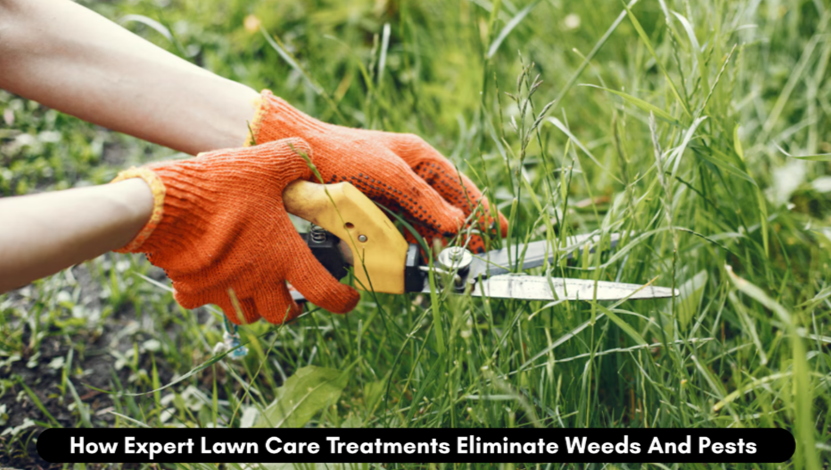
A healthy lawn does not only mean even cut grass, but also a living system which is determined by the quality of soil, moisture, temperature, and biological activity. The lack of drainage, hard soil, or the lack of nutrients provides the ideal environment where undesirable plants and devastating insects thrive.
Pulling weeds or just spraying on the bugs might provide some temporary relief, but it is rarely the solution to the underlying issue. That is why a structured care approach matters.
Professional lawn care treatments focus on treating the underlying causes of those conditions. Through examining the health of the soil, development patterns, and the seasonal stress, the professionals implement specific procedures that disrupt the weed cycles and the population of pests in their early stages.
By doing this, the grass is able to grow stronger and denser in a natural way, pushing out invaders and restoring the balance in the whole lawn ecosystem. The following sections show how expert lawn care works to control the growth of weeds and pests.
1. Assess Lawn Condition and Needs
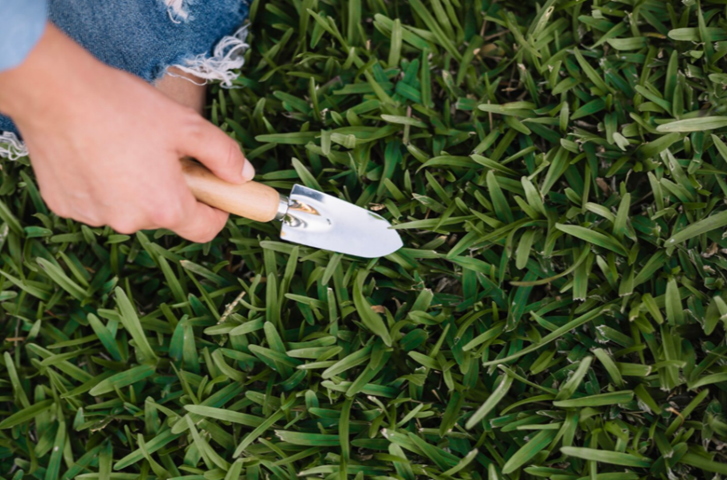
The priority is to understand what product is actually required before it comes in contact with your lawn. Some areas are affected by compacted soil that prevents water absorption, whereas there are others that are deficient in nutrients or stay too dry, resulting in uneven growth.
Because of such differences, a professional plan starts with soil and turf analysis. Here, the expert lawn care treatments are based on actual information rather than generalized equations, disclosing nutrient deficiencies, water problems, and early pest action to provide every area with the proper treatment.
Through these assessment findings, fertilization and soil treatments are based on weak areas to enable the grass to recover strength. Thicker turf then stamps out weeds and constrains the habitats of the pest, correcting the issues rather than covering up the symptoms of the problem.
2. Improve Soil Structure
The soil is the foundation of your lawn, but it is usually neglected. Roots find it difficult to access water and nutrients when compacted or unbalanced, resulting in thin grass that is vulnerable to weeds and insects.
Treatments based on soil, like aeration, organic matter support, and balanced fertilization, replenish such a structure. Aeration creates access to air and moisture, which enables the roots to penetrate further and endure heat and drought.
Essential nutrients then promote helpful microbes that make turf stronger and decrease the activity of pests. Having deeper roots and constant nourishment, grass outcompetes weeds and becomes harder to exploit by pests.
3. Control Weeds with Timing and Selective Methods
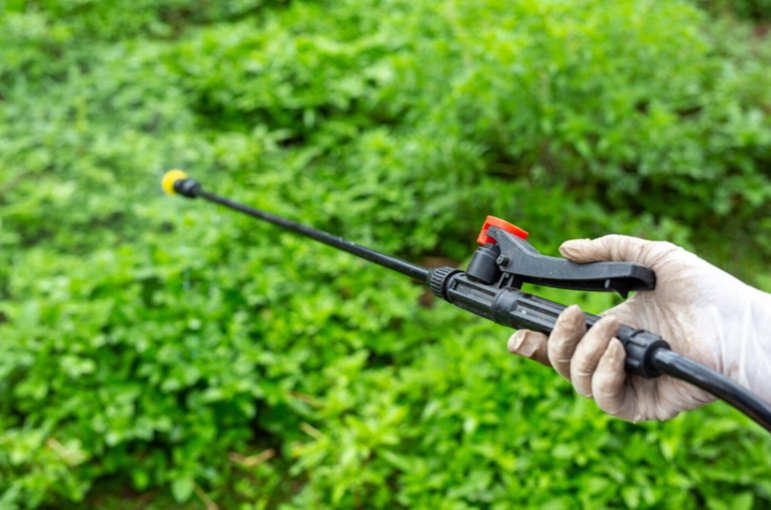
Weeds have seasonal development and tend to develop when the grass remains stressed. Professional programs treat pre-emerging and post-emerging based on those cycles rather than responding to them after they emerge.
Pre-emergent applications prevent the sprouting of weed seeds, whereas post-emergent products eliminate weeds that, no matter how intense they are, still break through without damaging the surrounding turf. Simultaneously, regular fertilization helps grass fill bare areas and become more substantial.
Thick turf covers the ground and prevents the penetration of sunlight that germinates weed seeds. The timing method minimizes the pressure of weeds because it does not chase growth but prevents it.
4. Manage Pests Through Integrated Control
Insects and other lawn pests rarely attack healthy turf directly. They target weak roots, moist areas, or shaded, compacted spots. To counter pests effectively, lawn care plans integrate monitoring with treatments designed for specific threats.
Professional pest management includes identifying pest types and understanding their life cycles. For example, lawn grubs feed underground on roots, while ants and ticks stay nearer the surface.
Treatments are selected and timed based on these habits rather than broad-spectrum spraying that affects beneficial organisms, too. At the same time, surface treatments such as perimeter pest control help reduce insect pressure around your home. Keeping lawn insects in check also depends on overall lawn vigor.
Well-balanced soil, proper watering habits, and strong root systems reduce the food and shelter pests use to thrive. By integrating monitoring and tailored applications with overall lawn health support, pests remain under control through every season.
5. Use Seasonal Scheduling For Consistent Care
Weeds and pests behave differently as seasons change, and lawn care must adapt with them. A year-round schedule prevents problems rather than reacting after they begin.
In early spring, treatments focus on pre-emergent weed barriers and beginning fertilization to support new grass growth. As the weather warms, continued fertilization and active weed control support steady turf development. Pest monitoring increases when insect populations peak, and soil treatments help retain moisture during hotter months.
When fall arrives, nutrient support helps grass recover from summer stress, build stronger roots, and prepare for dormant periods. Late-season treatments block winter weeds and reinforce turf density before colder weather.
This seasonal sequencing keeps control consistent. Each phase builds on the last, reducing the stress cycles that let weeds and pests spike in population. With scheduled attention throughout the year, your lawn becomes more resilient as conditions change.
Bottomline
Creating a lawn that naturally resists weeds and pests depends on structure rather than quick fixes. By analyzing soil, strengthening turf, timing weed prevention, managing pests carefully, and scheduling treatments seasonally, you support a lawn that stays dense, balanced, and strong.
These methods change how weed and pest problems behave, making your lawn more resistant and easier to maintain every year. Over time, grass develops deeper roots, better moisture control, and stronger coverage, which reduces the conditions that weeds and insects depend on to spread.