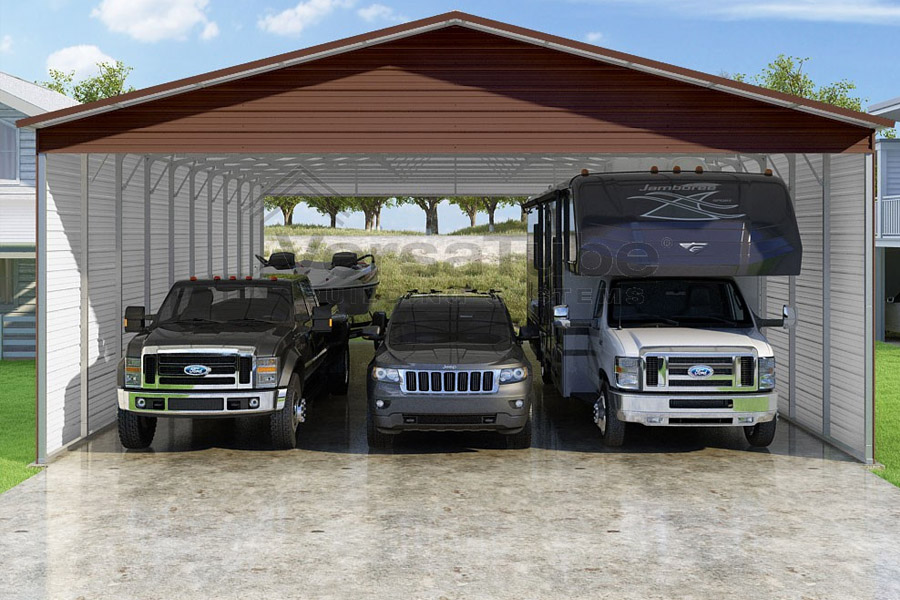
When it comes to protecting your vehicles and outdoor equipment, a carport can be one of the smartest investments for your property. Yet, not all carports are created equal. Long lasting carport structures are designed to withstand years of exposure to the elements without compromising strength or performance. Some carports last a mere five years before showing signs of wear and tear, while others remain strong and functional for decades. Understanding what determines a carport’s longevity is key to making a wise choice that goes beyond just upfront costs.
Materials Matter: The Foundation of Longevity
The materials used in a carport are arguably the single most important factor in determining how long it will last. Carports can be constructed from a range of materials, including wood, aluminum, steel, and composite materials. Each has its pros and cons.
- Wood: While aesthetically pleasing, it is prone to rot, warping, and insect damage unless properly treated and maintained. Untreated wood exposed to moisture can deteriorate quickly, often within just a few years.
- Aluminum: Lightweight and rust-resistant, aluminum carports can withstand moisture better than wood, but they may be less structurally robust under heavy snow loads or high winds.
- Steel: Widely recognized for its strength and durability. Galvanized or powder-coated steel resists corrosion and can endure harsh weather conditions. High-quality steel carports, when engineered correctly, can last 20–30 years or more.
- Composite Materials: Some carports incorporate composite or engineered materials that combine strength, corrosion resistance, and low maintenance. These options often offer excellent longevity, though they may cost more initially.
Choosing durable materials may cost more upfront, but it reduces replacement costs and maintenance over time, offering better long-term value.
Engineering and Design: Strength in Structure
Durability isn’t just about what the carport is made of—it’s also about how it’s designed. Carports engineered with proper load calculations and structural reinforcements perform much better under stress from wind, snow, or heavy rainfall.
- Roof Pitch and Drainage: A roof with the correct pitch sheds water and snow efficiently, reducing strain on the frame and minimizing leaks and water damage.
- Support Beams and Bracing: Properly sized and placed support beams, along with cross-bracing, add stability and prevent bending or collapse during storms.
- Anchoring: A carport’s connection to the ground is critical. Poorly anchored carports may shift or tip in strong winds, drastically reducing their lifespan. A carport engineered with reinforced foundations will withstand years of exposure to the elements.
Well-engineered carports prioritize safety and durability, ensuring that your investment stands the test of time.
Installation Quality: Precision Matters
Even the best materials and design can fail if a carport is poorly installed. Installation quality affects both immediate performance and long-term durability. Some common installation pitfalls that reduce lifespan include:
- Misaligned or loosely fastened components that compromise structural integrity.
- Insufficient anchoring makes the carport vulnerable to wind uplift.
- Inadequate sealing allows moisture to penetrate, accelerating rust or rot.
Hiring experienced professionals who follow manufacturer guidelines and local building codes ensures that your carport reaches its maximum potential lifespan.
Maintenance: The Unsung Hero of Longevity
No matter how well-built, a carport requires regular maintenance to stay in top condition. While some carports are designed to be low-maintenance, certain practices can significantly extend life:
- Cleaning: Removing debris, dirt, and leaves from the roof and frame prevents moisture buildup and corrosion.
- Inspection: Periodic checks for loose bolts, rust, or wood rot allow small issues to be addressed before they become major problems.
- Protective Treatments: Steel carports may benefit from repainting or coating, while wooden carports require sealing or staining to resist moisture and pests.
A proactive maintenance routine is often the difference between a carport lasting 5 years and one lasting 30.
Long-Term Performance and Return on Investment
When deciding on a carport, it’s tempting to focus solely on upfront costs. However, durability is a value decision rather than just a price-based one. Investing in a carport designed to last decades provides long-term performance benefits and a better return on investment.
Consider a carport built with high-quality steel, engineered properly, and installed by professionals. The initial cost may be higher than a basic, short-lived model, but over 20–30 years, it avoids replacement expenses, frequent repairs, and the inconvenience of dealing with structural failures. Additionally, a durable carport maintains the aesthetic and functional value of your property, which can positively impact resale potential.
A short-term, low-cost carport may seem economical, but the cumulative costs of replacements, maintenance, and lost protection for your vehicles can far exceed the savings. In contrast, a durable carport becomes a reliable asset, giving peace of mind and consistent performance year after year.
Signs of a Carport Built to Last
When evaluating carport options, look for these indicators of long-term durability:
- Material Specifications: Galvanized steel or treated wood with corrosion and rot resistance.
- Engineering Certifications: Load calculations and adherence to building codes.
- Professional Installation: Clear documentation of professional assembly and anchoring.
- Warranty and Support: Longer warranties often reflect confidence in longevity.
- Low Maintenance Requirements: Durable coatings or materials that resist weathering and decay.
Conclusion
The difference between a carport that lasts five years and one that lasts 30 is determined by a combination of materials, engineering, installation quality, and ongoing maintenance. While cheaper options may seem appealing, they often compromise durability, leading to premature failures and additional costs.
Choosing a carport should be seen as a long-term investment rather than a simple purchase. High-quality materials, professional engineering, precise installation, and proper maintenance all contribute to longevity, providing not only protection for your vehicles but also peace of mind and long-term financial value. When you weigh these factors, it becomes clear that investing in a durable carport is a smarter decision for any homeowner or business owner looking to maximize the return on their investment.