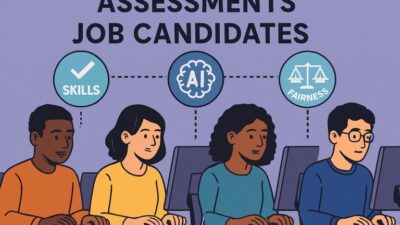
As employment screening evolves, fingerprint background checks are setting a new standard for workplace safety, identity verification, and compliance. By integrating advanced technologies and upholding rigorous legal standards, companies can better assess potential hires while maintaining trust and transparency. Employers and job seekers in 2026 should be familiar with the benefits, processes, and challenges vital to navigating the recruitment landscape more effectively. The fingerprint background check has become a cornerstone in modern hiring, providing unmatched reliability in authenticating candidate histories and ensuring workplace integrity.
This surge in adoption is fueled by a growing need for robust screening methods amidst rising concerns over security breaches, identity fraud, and compliance risks. By utilizing fingerprints—a unique personal identifier that cannot be faked—organizations not only protect themselves but also foster a culture of trust. As regulatory frameworks tighten and technology continues to innovate at a rapid pace, it is crucial to appreciate the benefits that fingerprint background checks bring to both employers and the broader community.
Introduction to Fingerprint Background Checks
Fingerprint background checks center on collecting and analyzing an individual’s fingerprints to verify identity and search for any record of criminal activity. Unlike traditional screenings, which may rely on names and Social Security numbers, fingerprinting ensures near-perfect accuracy and significantly reduces the risk of mistaken identity. These checks are particularly important in industries where public safety, vulnerability, or access to sensitive information is paramount. By employing this method, organizations gain critical insights that support sound, data-driven hiring decisions.
The demand for fingerprint background checks has surged as organizations respond to an increase in legal liabilities and growing public expectations regarding safety and transparency. With instant database matching across law enforcement and private-sector sources, organizations get rapid, actionable results. However, both employers and candidates should be aware that accuracy is only as good as the databases used, and that rules governing the handling of this biometric data are becoming increasingly stringent.
Technological Advancements in Fingerprint Screening
Technology has profoundly reshaped the fingerprint background check process. The integration of Artificial Intelligence (AI) and machine learning allows systems to detect patterns and flags with remarkable speed, automating much of what was once a laborious process. Automation not only accelerates the hiring process but also lowers human error rates and enhances the candidate experience.
Blockchain is another transformative force, providing an immutable ledger for storing background check records. By ensuring that every fingerprint match or screening result is timestamped and monitorable, the risk of tampering or misinformation is minimized. This is vital for industries where a single bad hire could have serious repercussions, such as healthcare or education. Additionally, biometric sensors and mobile applications make it easier to capture fingerprint data remotely, expanding access to secure screening even as workplace models become more flexible and distributed. More details on the impact of blockchain on hiring are available in this fundamental analysis by LinkedIn.
Regulatory Changes and Compliance
Fingerprint screenings are governed by a patchwork of federal, state, and industry-specific regulations that aim to balance safety and individual privacy. Laws like the Clean Slate Act in New York—automatically sealing certain crimes after set periods—have reshaped how criminal records influence employment prospects. Employers must continuously monitor regulatory developments to ensure lawful screenings and fair treatment for candidates. For more information on the Clean Slate Act, refer to this Proskauer Rose LLP article.
Failure to comply with these evolving rules can result in legal action, financial penalties, and reputational damage. Staying compliant requires understanding how data should be gathered, stored, and who can access it. Transparency in your screening process is crucial: candidates need to be informed about their rights, the nature of the information being collected, and the steps involved in challenging or correcting inaccurate data. Employers can find more comprehensive guidance on compliance in this Forbes review of background screening regulations.
Impact on Employment Trends
Fingerprint background checks are creating real changes in the hiring landscape. Employers now feel more secure when bringing staff on board, especially in roles involving trust and sensitive access, as companies implement these measures. Whilegh checks, there has been a measurable reduction in workplace incidents tied to misrepresented backgrounds. This approach is also helping organizations identify the best-fit candidates faster, supporting both productivity and retention in the long run.
Despite these benefits, fingerprint screenings raise essential questions about fairness, particularly in the context of criminal justice reform. As more employers turn to these advanced tools, candidates with sealed or expunged records are afforded new opportunities for a second chance. However, bias may persist if hiring managers do not handle background check results thoughtfully, ensuring that only relevant, recent criminal activity is taken into account in employment decisions.
Challenges and Ethical Considerations
Ensuring ethical use of fingerprint background checks involves several considerations. Data privacy is a top concern—fingerprint records must be protected from unauthorized access and potential breaches. Furthermore, there is potential for misuse or overreliance: denying employment due to old or minor convictions can undermine fair chance hiring principles, exacerbating inequality.
It is also essential to keep checks proportionate for each role: while fingerprinting may be vital for positions involving children or vulnerable adults, it may be excessive for low-risk environments. Employers must have robust policies that respect individual rights while still delivering on security goals. Clear communication, consent, and access to dispute mechanisms support ethical practices and build trust with prospective talent. For a deeper dive into the moral complexities of workplace screening, see The New York Times.
Best Practices for Employers
- Stay current with laws and industry guidelines to maintain regulatory compliance.
- Reinforce data protection with robust cybersecurity measures for biometric records.
- Be upfront with candidates about the purpose, scope, and implications of fingerprint background checks.
- Implement an appeals process that enables candidates to clarify or dispute the results of a check.
- Train hiring teams on the ethical use of background data to promote fair, unbiased hiring decisions.
Conclusion
Fingerprint background checks are redefining how organizations screen and hire personnel in 2026. Their integration with advanced technology delivers accuracy and efficiency, while evolving laws underscore the need for privacy and fairness. As the demands of the workforce change, those who adopt diligent, ethically guided screening processes will not only protect their businesses but also cultivate diverse and resilient workplaces. Adhering to these best practices will empower both employers and job seekers to thrive in this new era of employment security.