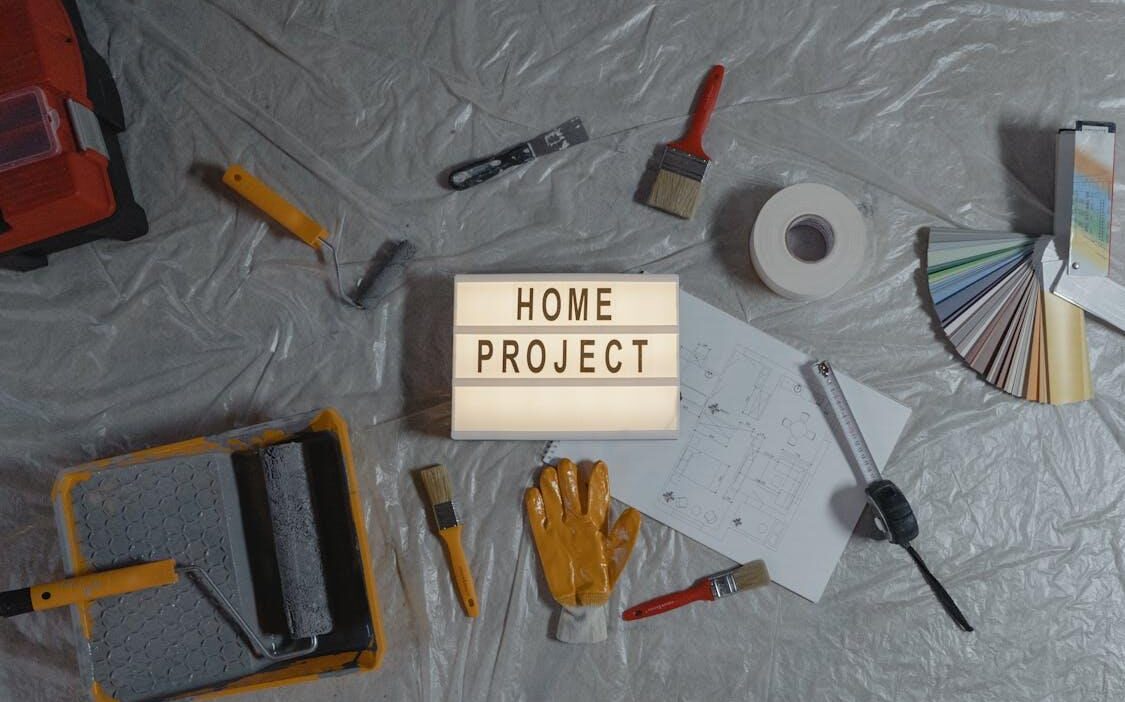
A busy home can throw many demands at once, and every issue seems to call for immediate attention. Dripping faucets, flickering lights, aging shingles, and drafty windows all compete for top priority. A clear plan brings order to this chaos and restores control. A steady approach also prevents rushed decisions that create higher costs and added frustration. This guide explains how homeowners can sort through urgent-feeling problems and choose the most sensible starting points. A practical structure calms the stress, sharpens judgment, and keeps budgets steady. Thoughtful choices create a safer, more efficient space that supports daily routines with fewer surprises.
1. Assess the Real Risks
True urgency often hides beneath noise and clutter, so create a short list that highlights immediate dangers. Electrical issues, gas odors, roof leaks, and structural concerns can escalate quickly and demand top placement. Smaller annoyances rarely carry the same consequences, even if they cause irritation. A focused review helps homeowners separate emotional reactions from actual hazards. Clear risk assessment also saves money, strengthens decision-making, and protects long-term stability. By naming genuine threats first, the repair plan gains structure and purpose. This step restores clarity and prevents crises that arise when real hazards slip behind minor distractions.
2. Calculate the Financial Impact
Repair costs grow fast when homeowners ignore small issues, so a cost-focused review shapes smart priorities. Estimate material prices, labor expenses, and the potential cost of waiting too long. A balanced approach prevents wasted money and highlights repairs with the strongest return. Many households explore financing tools, including a home equity loan, when major projects exceed available cash. Careful consideration keeps emotions from overruling logic and ensures thoughtful spending. This method encourages steady planning instead of rushed reactions. A clear understanding of financial stakes empowers stronger choices that protect household resources and support long-term maintenance goals.
3. Consider Daily Function and Comfort
Some repairs influence the rhythm of daily life more than others. A malfunctioning water heater, broken stove, or non-working bathroom disrupts routines and causes needless stress. Even if these issues carry limited safety risk, they deserve a high position on the priority list because they directly affect comfort and productivity. Households that restore essential functions regain stability and reduce decision fatigue. Evaluating the impact on daily living reveals which projects deliver the greatest immediate relief. This practical view helps homeowners avoid frustration and reclaim control of their schedules. A smooth-running home supports clear thinking and prevents mounting pressure.
4. Review Long-Term Efficiency Gains
Certain repairs do more than solve a current problem; they improve the home’s long-term performance. Replacing old insulation, sealing air leaks, upgrading outdated systems, or repairing inefficient windows can lower utility bills and reduce strain on equipment. These improvements often save money throughout the year and increase property value. Prioritizing upgrades that strengthen efficiency creates meaningful, lasting benefits. Homeowners gain comfort, stability, and reduced maintenance demands. A strategic mindset guides these decisions and encourages investment in features that support long-term reliability. This forward-looking perspective helps households avoid repeated issues and enjoy smoother operation across every season.
5. Weigh Future Repair Consequences
Some small problems carry hidden risks when left unattended. A minor leak can weaken drywall, feed mold, or damage flooring. A loose railing can fail at the wrong moment and cause injury. A cracked window can worsen during a storm and lead to bigger expenses. Evaluating the consequences of delay reveals which repairs deserve fast action, even if they seem modest. This approach prevents surprise damage and protects the home’s structural integrity. Households that address escalating risks early save significant time and money. This mindset creates a disciplined, thoughtful repair strategy that supports long-term peace of mind.
6. Identify Seasonal Pressures
Seasonal conditions often influence which repairs rise in priority. Cold months strain heating systems, expose pipe vulnerabilities, and reveal insulation gaps. Hot months test cooling units, highlight ventilation problems, and stress outdoor structures. Weather shifts can also accelerate wear on roofs, gutters, and exterior materials. Addressing season-sensitive issues at the right time prevents breakdowns during peak demand and protects comfort. A forward-thinking review helps homeowners prepare for upcoming conditions instead of reacting to emergencies. This method strengthens resilience, reduces last-minute expenses, and ensures the home performs smoothly through temperature swings and changing environmental demands.
7. Match Repairs to Your Skill Level
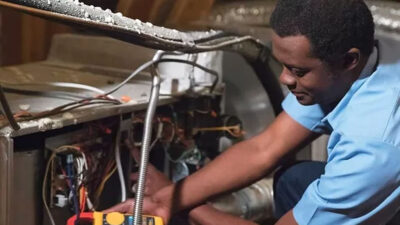
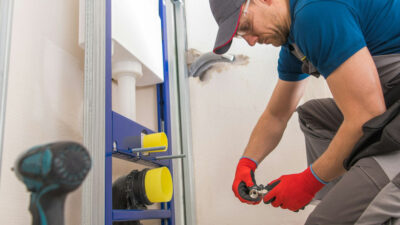
Not every project requires professional help, but every project requires an honest assessment. Some repairs fall well within the abilities of a confident DIYer, while others demand specialized training or advanced tools. Electrical work, structural fixes, and complex mechanical jobs often call for licensed professionals who can complete the task safely and correctly. Straightforward tasks such as patching small holes, repainting, or tightening hardware offer chances to save money without compromising quality. Aligning each repair with the appropriate skill level ensures reliable results and minimizes mistakes. This approach also protects long-term durability and reduces stress during the process.
8. Plan for System Lifespan and Replacement
Every major home component comes with a predictable lifespan. Water heaters, HVAC units, roofs, and appliances eventually approach the end of their service years. Monitoring these timelines helps homeowners anticipate upcoming needs and avoid surprise failures. Planning proactively also supports steady budgeting and reduces emergency spending. When equipment shows consistent issues or inefficiency, replacement often delivers better value than repeated patching. A long-term outlook offers clarity and prevents rushed decisions during breakdowns. Understanding system lifespan guides smart scheduling and strengthens overall home reliability.
9. Balance Aesthetic Wants with Practical Needs
Cosmetic improvements bring joy and refresh a living space, but they rarely hold equal weight with essential repairs. A new backsplash or fresh flooring can wait when compared with water damage, electrical problems, or major appliance failure. Weighing aesthetic desires against functional needs keeps priorities aligned with safety and stability. Homeowners who strike this balance enjoy both comfort and financial control. Practical fixes protect the structure, and aesthetic upgrades can follow once critical repairs are secure. A disciplined approach prevents overspending on surface-level changes while deeper problems continue to develop.
A home presents countless needs, but a structured approach transforms pressure into clarity. Prioritizing repairs with safety, cost, comfort, efficiency, and timing in mind helps homeowners make confident decisions. Clear evaluation prevents wasted money and protects long-term stability. A realistic plan brings order, reduces stress, and supports a well-functioning space that treats every member of the household with care. This steady, mindful strategy builds a home that stays reliable, comfortable, and prepared for whatever comes next.