Key Takeaways
- Personalized care plans are crucial in meeting the unique health and lifestyle needs of seniors, driving positive well-being outcomes.
- These plans adopt a holistic approach, supporting physical health, emotional well-being, and social connection.
- Family engagement and modern technology enhance both the quality and efficiency of personalized care.
As we age, our individual health, social, and emotional needs become more unique and dynamic. Seniors require care solutions that reflect their personal preferences, health concerns, and lifestyle choices. This is why personalized care plans have become pivotal in shaping the modern approach to senior living. Through tailored support, these care plans enable seniors to lead more fulfilling and healthier lives, while also providing families with peace of mind. For those exploring comprehensive senior care options, assisted living Bergen County represents a model of care that underscores individualized attention and respect.
Personalized care for seniors is not just about addressing medical issues; it’s a holistic approach that incorporates physical health, emotional well-being, and social enrichment. As more seniors seek to age gracefully in supportive environments, the demand for highly individualized care services continues to grow. Recognizing that every senior’s journey is unique, personalized plans adapt to evolving needs, preferences, and family involvement, ensuring truly compassionate support for each individual.
By leveraging innovations in care approaches, technology, and community engagement, seniors experience greater independence, improved health outcomes, and enriched relationships. With the right support network in place, aging transitions can be smoother and more dignified for both seniors and their loved ones.
The need for these individualized approaches is underscored by the growing prevalence of chronic illness, varying mobility levels, and heightened awareness of mental health challenges among older adults. Addressing such concerns through flexible and targeted methods, personalized plans have become an essential pillar of positive senior living experiences.
Enhancing Physical Health
Personalized care plans start with an assessment of each senior’s medical history, routine, and specific needs. For the nearly 85% of adults over age 65 managing at least one chronic health issue, these plans offer:
- Nutrition schemes tailored to medical conditions and taste preferences
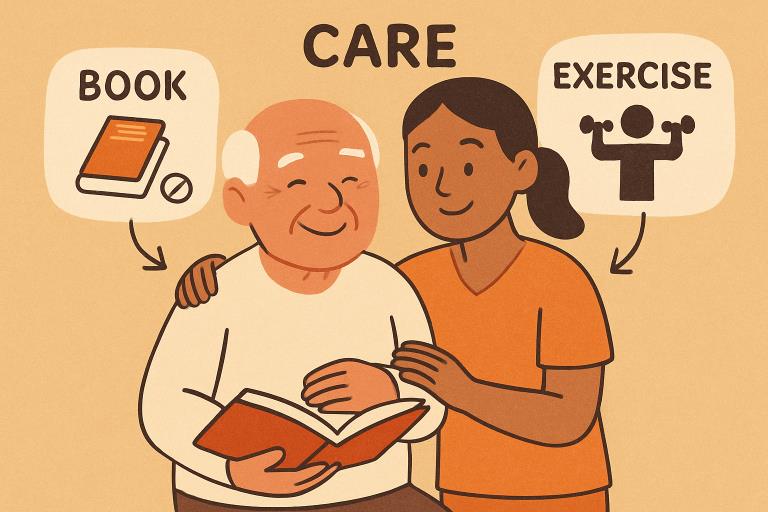
- Exercise programs designed around mobility and functional ability
- Medication management that minimizes risk and maximizes adherence
- Close coordination with healthcare professionals for integrated care
This individualized attention reduces the risk of hospitalizations, improves symptom management, and supports seniors in maintaining as much activity and independence as possible. According to the CDC, lifestyle interventions can significantly reduce the risk of additional complications associated with chronic conditions, underscoring the value of this approach.
Boosting Emotional Well-being
Emotional wellness is a core benefit of well-designed care plans. Loneliness and isolation impact over a third of adults over 50, contributing to poorer health outcomes and even greater risks for dementia and depression. Personalized senior care prioritizes:
- Social opportunities that fit personal interests
- Safe access to mental health counseling and group support
- Purposeful community engagement
Care providers recognize that by cultivating emotional resilience, seniors are more likely to maintain a positive outlook and actively engage with their chosen communities.
Strengthening Social Connections
Social bonds not only foster emotional comfort but also provide measurable health benefits. Personalized plans go beyond basic companionship—they are built around the experiences that matter most to a senior, whether that’s faith-based groups, volunteer work, or closer family ties. The result is a reduction in loneliness, improved coping skills, and a more robust sense of autonomy and satisfaction. The National Institute on Aging has identified strong social relationships as a key protective factor against cognitive decline.
Incorporating Technology
Innovative technologies are enhancing personalized care in countless ways. Artificial intelligence, remote monitoring, digital health tracking, and real-time data analysis enable care teams to detect issues early and intervene when necessary. These resources:
- Provide constant feedback to care professionals without intrusive check-ins
- Empower seniors with tools for self-management and independence
- Enable families to stay informed about their loved one’s condition in real time
Technology also facilitates seamless communication between families, staff, and healthcare providers, fostering trust in the care process.
Involving Family in Care Plans
Family participation leads to better outcomes and increased satisfaction for seniors. Frequent communication and shared decision-making are encouraged, whether through planning meetings, visiting, or engagement in daily activities. These collaborations help honor senior preferences, reinforce emotional support, and deepen trust between care teams and loved ones.
Adapting to Changing Needs
One of the most valuable elements of personalized care is ongoing flexibility. Since a senior’s needs may change unexpectedly, frequent evaluations allow care plans to evolve—whether by introducing new therapies, scaling services up or down, or accommodating life changes such as moving or recovering from an illness. Integrating financial planning for senior care, can ensure resources are available to maintain these personalized services without financial strain.
Improving Communication and Coordination
Personalized care plans serve as a roadmap for all caregivers and professionals involved. From nurses and doctors to home aides and family caregivers, clear communication reduces the chances of error, ensures consistent care, and leads to faster response during emergencies. This is particularly effective for seniors receiving care from multiple providers or those living far from their families. By aligning everyone with the seniors’ goals, there is smoother collaboration and improved well-being.
Conclusion
As seniors seek more individualized support in every aspect of their lives, personalized care plans become indispensable. By focusing on the whole person—physically, emotionally, and socially—these plans foster well-being, independence, and quality relationships. Investing in personalized care not only uplifts the lives of seniors but also reassures families that their loved ones are truly valued and supported at every stage of their journey.