Key Takeaways
- Recognizing early warning signs from your water heater can prevent costly damage and interruptions.
- Addressing minor issues promptly can help extend the lifespan of your system and improve your home’s energy efficiency.
- Professional help is recommended for persistent problems, leaks, and issues related to water quality.
A well-functioning water heater is essential for everyday comfort, from hot showers to washing dishes, notes TJC Real Estate experts. Yet, like any appliance, it can experience wear and tear over time, leading to inefficiencies or sudden breakdowns. Recognizing early warning signs can help prevent inconvenient disruptions and more costly repairs down the line. Issues often start subtly, such as inconsistent water temperatures, unusual noises, or leaks around the unit. However, ignoring these signals can quickly escalate problems.
Homeowners should pay attention to these indicators and consider professional evaluation when necessary. If minor issues are caught early, repairs are often more straightforward and less expensive. Searching for water heater repair near me can connect you with qualified technicians who can assess your system, identify potential hazards, and ensure it operates safely and efficiently, giving you peace of mind and preventing unexpected interruptions to your daily routines.
Inconsistent Water Temperature
Nothing’s worse than a suddenly cold shower. Fluctuating water temperatures often indicate faulty thermostats, broken heating elements, or sediment buildup that interferes with heat transfer in your tank. Addressing this problem improves both comfort and efficiency.
Discolored or Rusty Water
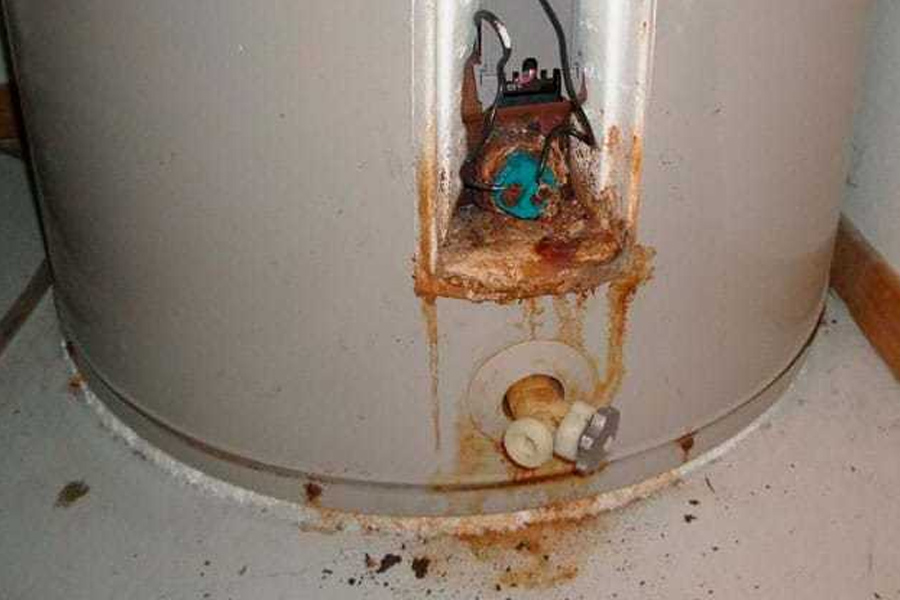
If tapping the hot water faucet results in brown or rust-colored water, corrosion inside the tank is likely. This can be caused by a rusted anode rod or advanced tank deterioration. Ignoring this sign can lead to leaks or tank failure, posing a risk to your water quality.
Unusual Noises from the Tank
Rumbling, cracking, or popping noises are typically caused by sediment hardening at the bottom of the tank. As this layer gets thicker, your heater has to work harder to produce hot water, decreasing its lifespan and efficiency. If a simple tank flush doesn’t resolve the sounds, a professional inspection is advised.
Water Leaks Around the Heater
Water pooling under or around your tank indicates trouble—most often internal tank corrosion or leaking pipe connections. Even minor leaks can result in significant water damage, increased bills, and costly property repairs. Act promptly to minimize risk to your home’s structure and safety.
Reduced Hot Water Supply
If you’re suddenly running out of hot water during regular use, it could be a sign of sediment buildup, which reduces the tank’s capacity, or a malfunctioning heating element. Reduced capacity signals increased stress on your system and could shorten its life expectancy.
Foul-Smelling or Metallic-Tasting Water
Unpleasant odors, such as sulfur or a metallic taste, often indicate bacterial growth, decaying anode rods, or internal corrosion. These issues could impact your family’s health and safety if not addressed promptly. A thorough tank cleaning and component inspection may be needed to restore water quality.
Increased Energy Bills
A consistently high energy bill, without changes to your water use, is often the result of an aging or inefficient water heater. Sediment buildup, failing parts, or outdated models require more energy to maintain the same hot water supply, straining both your wallet and your appliance. Monitoring your monthly energy usage can help detect these inefficiencies early, allowing for timely intervention. Upgrading to a more efficient model or addressing underlying maintenance issues can lead to noticeable savings over time.
Frequent Repairs
When repair calls become a regular event, your water heater is likely approaching the end of its serviceable life. At some point, the cost of repeated repairs outweighs investing in a modern, energy-efficient replacement. Knowing when to upgrade is essential for both reliability and savings.
Preventive Maintenance and When to Call a Professional
Proactive maintenance—such as annual inspections, flushing the tank, and replacing worn parts—can extend the life of your water heater and keep it in optimal condition. However, significant changes in performance, unusual noises, visible rust, and changes in water quality should all prompt a call to a licensed plumber.
Conclusion
Recognizing the early warning signs of a failing water heater can save both time and money. From inconsistent temperatures and unusual noises to leaks and rising energy bills, addressing issues promptly helps maintain efficiency, water quality, and overall home comfort. Regular maintenance and timely professional intervention ensure your system runs safely and reliably, preventing costly emergencies and extending the lifespan of your appliance.