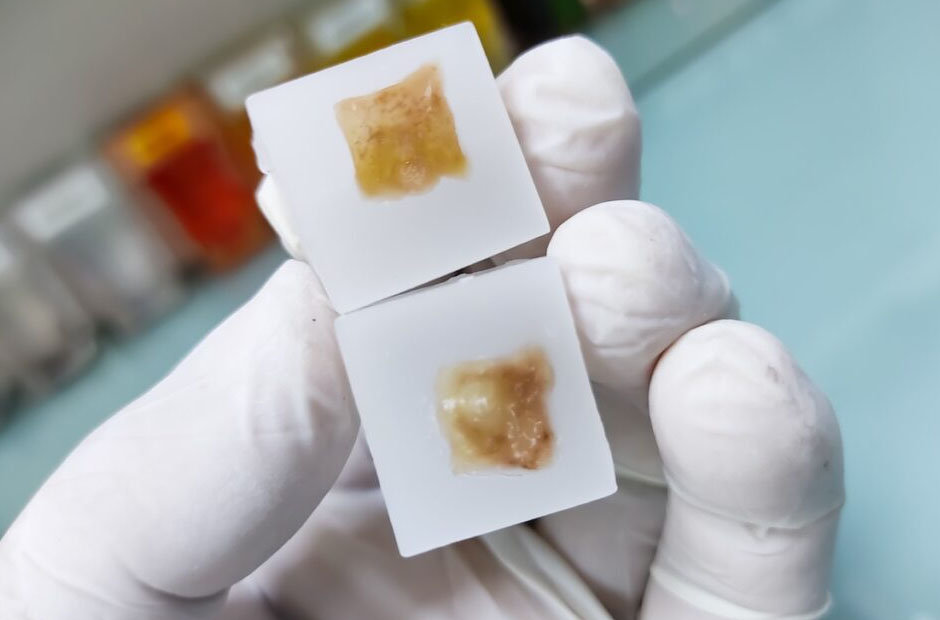
Retrospective studies depend on accurate historical biological materials for valid analysis. Researchers require specimens that preserve structure, context, and diagnostic relevance. Preserved tissue plays a crucial role in long-term clinical investigations. Reliable samples support disease pattern identification and outcome comparisons. Pathology archives enable researchers to revisit earlier cases confidently. Trust in specimen quality determines study credibility and reproducibility. Proper preservation protects valuable clinical data across extended timelines. This reliability forms the backbone of retrospective medical research success.
An FFPE sample remains one of the most widely used preserved specimen types. Researchers value these samples for stability and consistent performance. Archived specimens support long-term investigations without repeated patient procedures. Laboratories trust preservation protocols that maintain diagnostic features. Reliable storage conditions protect samples against degradation risks. This confidence allows meaningful data extraction years later. Retrospective research benefits from standardized preservation practices. These practices support continuity and scientific integrity across studies.
Preservation Stability Over Long Periods
Preserved tissue specimens maintain structural stability over extended storage periods. Paraffin embedding protects cellular architecture against environmental damage. This stability enables reliable comparisons across historical timelines. Researchers analyze samples decades after collection with dependable results. Storage conditions further influence preservation performance positively. Consistent temperature and handling protect specimen quality. Long-term stability reduces uncertainty within retrospective investigations. Reliable preservation strengthens confidence in historical data analysis.
Consistency in Histological Features
Retrospective studies require consistent histological detail across specimens. Preserved samples retain recognizable tissue morphology effectively. Pathologists identify diagnostic patterns with confidence using archived slides. Uniform preparation methods support visual comparison across cases. Histological consistency reduces interpretive variability between reviewers. This reliability enhances study accuracy and repeatability. Clear cellular features allow dependable disease classification. Consistency remains essential for meaningful retrospective conclusions.
Compatibility With Modern Analytical Techniques
Preserved tissue specimens remain compatible with contemporary analysis methods. Molecular testing applies successfully to archived materials. Researchers extract DNA and proteins from preserved sections. This compatibility expands the study scope significantly. Advanced techniques link historical data with modern insights. Analytical adaptability increases specimen value for research teams. Retrospective studies benefit from evolving technology integration. Preserved samples bridge past data with current scientific capabilities.
Standardized Processing Improves Research Confidence
Standardized laboratory protocols enhance specimen reliability across institutions. Uniform preparation ensures comparable quality between archived samples. Researchers trust specimens processed under validated guidelines. Consistent methods reduce experimental variability significantly. Standardization supports multicenter retrospective collaborations effectively. Reliable processing allows broader data sharing. Research conclusions gain strength through reproducible sample quality. Standard methods protect scientific validity across long-term investigations.
Reduced Ethical and Practical Constraints
Preserved specimens reduce ethical concerns related to new sample collection. Retrospective studies rely on existing archived materials responsibly. Patients avoid repeated invasive procedures entirely. Researchers access diverse case histories efficiently. Archived specimens support large sample sizes without recruitment delays. Ethical review processes benefit from reduced patient impact. Practical efficiency strengthens study feasibility significantly. Preserved materials support responsible research practices across institutions.
Quality Control Measures Enhance Reliability
Laboratories apply quality checks to preserved tissue archives consistently. Regular assessments identify degradation or processing issues early. Documentation supports sample traceability and usage history. These controls strengthen reliability for retrospective use. Researchers select specimens with verified integrity confidently. Quality assurance protects study outcomes and credibility. Controlled storage environments further ensure sample protection. Reliability improves through structured oversight and management systems.
Preserved tissue specimens provide dependable foundations for retrospective studies. Stability, consistency, and compatibility support reliable long-term research outcomes. An FFPE sample enables historical analysis with modern scientific tools. Standardized processing and quality control reinforce confidence. Ethical and practical advantages further strengthen research feasibility. Skilled interpretation manages limitations effectively. Retrospective studies gain credibility through trusted preservation methods. Preserved specimens remain essential assets within medical research advancement.