Key Takeaways
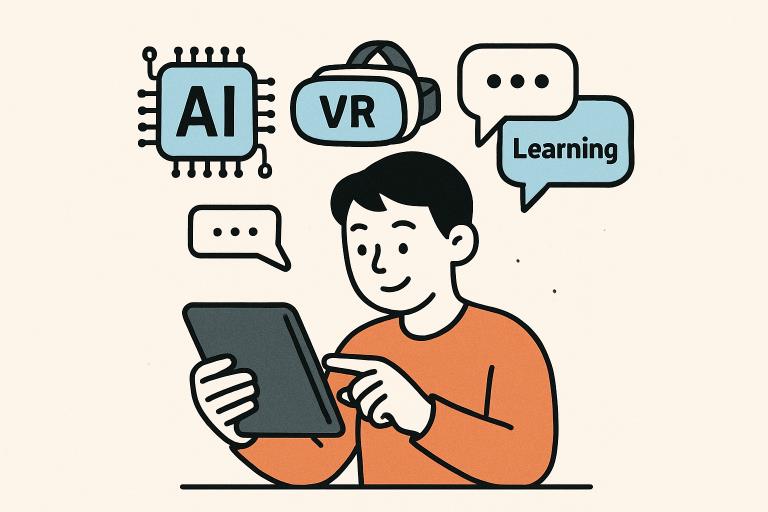
- AI, VR, and mobile apps are revolutionizing language learning through innovation and accessibility.
- Personalized and interactive methods boost vocabulary, comprehension, and conversational skills.
- Challenges persist, including unequal access to technology and digital dependency.
In today’s rapidly evolving digital landscape, technology is fundamentally transforming how we acquire new languages. From AI-powered tutors to immersive VR environments and interactive mobile applications, innovative tools are making language learning more accessible, adaptive, and engaging for learners at every level. For those looking to break down linguistic barriers in multimedia, solutions like AI video translator empower creators and businesses to localize their content seamlessly, reflecting technology’s growing impact on global communication.
These advancements are not just making language learning efficient but also reshaping the experience itself. With lessons tailored to individual needs and interactive techniques that keep learners motivated, technology offers new pathways for mastering vocabulary, pronunciation, and even cross-cultural nuances. However, as digital learning proliferates, it’s important to remain mindful of the emerging challenges, particularly issues of access and potential overreliance on devices.
AI in Language Learning
Artificial Intelligence is at the forefront of the language education revolution. Learning platforms now harness AI to deliver real-time feedback, adaptive lessons, and conversational simulations. Leading language apps, such as Duolingo, feature AI-driven tutors that can adjust lesson difficulty and provide hyper-personalized learning paths. For instance, Duolingo’s CEO has underlined that artificial intelligence can now create both tailored content and interactive conversation partners that help users practice realistic dialogues outside conventional classrooms. This approach enables users to build practical conversational skills, make strong listening habits, and reinforce their memory through repetition guided by smart algorithms. AI is also empowering teachers and curriculum designers. Intelligent tools analyze students’ responses, identify weak points, and suggest targeted practice, facilitating a dynamic, continuous-improvement loop for learners.
Virtual Reality and Immersive Experiences
Virtual Reality takes language learning beyond the screen, placing learners inside fully immersive environments that mimic real-world interactions. Platforms such as Mondly VR allow users to practice everyday conversations in a Paris café or a bustling Tokyo train station without leaving their living room. These immersive environments facilitate cultural exposure, help overcome the fear of speaking, and accelerate conversational fluidity. Several studies suggest that contextual learning and active engagement through VR not only improve comprehension but also increase learners’ confidence by providing safe, judgment-free spaces to practice speaking.
Major educational institutions are beginning to experiment with VR technologies in classrooms as well, exploring their ability to complement traditional pedagogical methods. As research shows, VR may become the next frontier for learning not just grammar and vocabulary, but also cultural etiquette and nonverbal cues, which are often as critical as the language itself.
Mobile Applications and Online Platforms
Smartphones have become indispensable tools for language learners worldwide. Mobile apps leverage adaptive learning algorithms, gamified exercises, and customizable practice sessions, making it easy to fit language study into busy lifestyles. Apps such as Praktika go a step further, using AI-powered avatars for spoken conversation, thereby providing exposure to a range of accents and speaking styles. These platforms support a wide range of languages and skill levels, allowing users to progress at their own pace and revisit challenging concepts as often as needed. Beyond speaking and listening, modern language platforms include features such as instant translation, grammar correction, and cultural notes, ensuring holistic development. Online communities and forums embedded within these apps also foster social learning, allowing users to practice with peer groups, share milestones, and seek guidance from more experienced speakers.
Personalized Learning Paths
One of the foremost advantages brought by digital technology is the ability to tailor learning experiences to individual strengths and weaknesses. AI-powered assessment tools analyze performance, identify areas for improvement, and generate dynamic content that adapts as learners progress. This level of customization steepens the learning curve and maintains motivation by consistently presenting manageable challenges.
Whether a beginner or a near-fluent speaker, users receive lessons at an optimal level of difficulty, maximizing vocabulary retention, grammar comprehension, and conversational competence. Research has shown that learners benefit from targeted feedback and curriculum adjustments, leading to increased engagement and longer-term language retention.
Interactive Methods and Gamification
Gamification is a powerful motivator integrated into many leading language learning platforms. By incorporating elements such as points, streaks, badges, and competitive leaderboards, apps like Duolingo transform what might otherwise be a repetitive activity into an engaging daily habit. This approach not only encourages consistency but also makes the learning experience enjoyable and socially rewarding. Interactive elements such as quizzes, flashcards, and real-time challenges enable users to regularly test and consolidate their skills. Furthermore, community features and peer support add a collaborative dimension to language learning, making it both collective and competitive.
Challenges in Technology-Driven Language Learning
Despite its many benefits, technology-driven language education is not without hurdles. The digital divide remains a pressing issue—unequal access to reliable internet and up-to-date devices can create disparities in learning opportunities, especially in underprivileged communities. Additionally, overdependence on technology can sometimes lead to superficial engagement, as learners might prioritize game achievements over actual proficiency or miss out on developing deeper reading, writing, and face-to-face conversational skills. Educators and policymakers must balance the excitement of these innovations with a critical understanding of their limitations, ensuring that core language competencies remain central to digital curricula.
The Future of Language Learning
The future of language learning lies at the intersection of advanced technologies and learner-centered design. AI’s evolution will allow for even more nuanced feedback loops; VR and AR will immerse students in multilingual environments; and mobile applications will continue to break down geographic and economic barriers. These trends collectively point to a new era in which personalized, culturally rich language education is accessible to anyone with an internet connection.
While challenges around equity and digital reliance endure, ongoing innovation and thoughtful integration of technology into language education promise a more inclusive, interactive, and impactful learning experience for all.