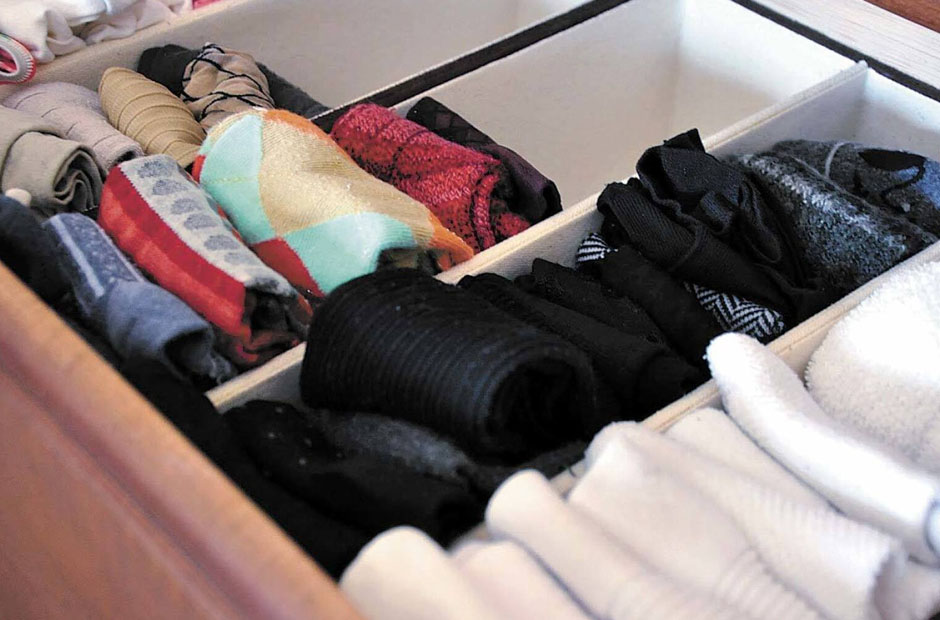
It’s not unusual to find a tiny insect inside the home from time to time, shares Eastvale Management team. A glance might not raise concern, especially if the bug appears isolated or harmless. However, when the same type of insect is found in drawers, closets, or stored fabrics, it may be a sign of indoor activity that deserves attention.
One commonly reported sighting is the small black and white striped bug, which is sometimes found in areas where clothes, bedding, or natural fabrics are stored. These pests are known to settle in quiet, undisturbed sections of a home, especially where natural materials are stored. While not directly harmful to people, they can affect fabric longevity and indoor cleanliness.
Why Storage Areas Attract These Pests
Drawers and bins that contain rarely used clothing or linens provide a protected environment. Natural fibers such as wool, silk, and feathers offer a reliable food source for larvae, which are more likely to remain hidden than their adult counterparts. Items that have been stored without cleaning are more susceptible to this type of activity. Moisture, food traces, and limited airflow in enclosed spaces can also encourage the presence of insects. Over time, these conditions can support the full life cycle of pests that thrive on textiles, allowing their numbers to increase without being noticed.
Common Indicators That Usually Go Unnoticed
Early signs are generally subtle. Routine checks of stored fabrics can help catch issues like:
- Small holes or thinning material
- Cast-off insect casings
- Dark specks resembling pepper
Items kept in corners or against walls are especially vulnerable. Look closely for changes in fabric texture or unexpected fraying. These subtle clues appear before the pests themselves are visible, making early inspection a crucial step in preventing long-term damage to the fabric.
How They Differ from Other Household Insects
Due to their color patterns and small size, these insects may be mistaken for ants, beetles, or other common bugs. However, their behavior, preferred locations, and feeding habits help set them apart. Unlike pests that target food or human skin, these insects focus on organic fabrics and materials.
They typically remain hidden during the day and avoid high-traffic areas. Their presence is more often detected through the results of their activity rather than their visibility. Understanding these habits helps reduce confusion and allows for a more focused response.
How the Environment Plays a Role in Their Presence
Certain indoor conditions make it easier for these pests to settle in. Key factors that support activity are:
- Lint buildup and tight fabric storage
- Irregular cleaning
- Long-term storage of natural fibers
These settings provide warmth and shelter for larvae. To reduce activity, vacuum under furniture, wash items before storing, and rotate stored fabrics. Keeping storage areas dry and well-ventilated also helps limit the presence of unwanted insects.
When Professional Services Become Useful
Professional pest control services for household fabric pests offer inspections, storage advice, and low-impact treatments to reduce insect activity, especially in hard-to-reach areas. They are particularly useful in homes with older textiles, long-term storage, or limited natural light. When combined with routine housekeeping, these services help protect materials and maintain indoor comfort.
A small black and white striped bug in your sock drawer might appear harmless, but it could signal fabric-focused pest activity nearby. Paying attention to quiet storage zones and taking preventive steps can help limit damage over time. If home efforts are insufficient, structured pest control services may offer targeted solutions that support long-term prevention without disrupting daily routines.