Key Takeaways
- Compare the various water heater types and evaluate each for your specific home and lifestyle needs.
- Consider household size, available utilities, and space constraints before choosing a model.
- Look for units with high energy-efficiency ratings to save on operational costs.
- Explore available tax credits and state or federal incentives for energy-efficient installations.
Replacing a water heater is a significant investment, and making the right choice is critical for long-term comfort, operational efficiency, and cost control. Homeowners face numerous options in today’s market, each offering unique features and benefits. Whether you’re looking to upgrade for better performance or increased energy savings, understanding your choices will help you select the perfect unit for your needs. If you’re not sure where to start, consider speaking with a professional tankless water heater installation Gaithersburg for personalized advice and expert installation.
Embracing newer, more efficient water heating technology doesn’t just ensure a smooth flow of hot water—it can also reduce your home’s environmental impact and significantly lower your monthly utility costs. Modern advancements offer improved safety features, better reliability, and opportunities to take advantage of government rebates and incentives. Before making your decision, take the time to compare the features, requirements, and long-term benefits of each option.
Types of Water Heaters
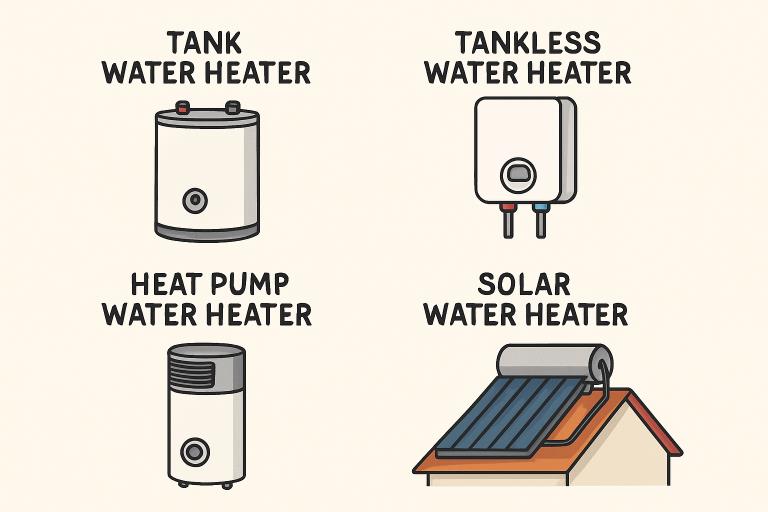
There are four main types of water heaters available to homeowners. Each is suited to different needs and preferences:
- Conventional Storage Water Heaters:These are the most common type, consisting of an insulated tank that heats and stores water until needed. While reliable, they may suffer from standby energy loss, as stored water cools and is reheated even when not in use.
- Tankless (On-Demand) Water Heaters:Instead of holding hot water, these units heat water directly as it flows through the device. This method reduces wasted energy and provides an endless hot-water supply, though it requires a higher initial investment.
- Heat Pump Water Heaters:Using electricity and ambient heat from the surrounding air or ground, these units are among the most energy-efficient. They do require ample space and a mild operating climate to function optimally.
- Solar Water Heaters:These systems harness solar energy via roof-mounted collectors. While installation costs are higher, they offer major long-term energy savings and are an eco-friendly choice, especially in sunny regions.
According to the U.S. Department of Energy, advanced models like heat pumps and solar water heaters can reduce household water-heating costs by up to 60% compared to traditional models. Selecting the best water heater depends on your household’s size, local climate, and energy objectives. Balancing initial investment with potential long-term savings ensures you choose a system that fits both your needs and budget.
Factors to Consider When Choosing a Water Heater
Identifying the best water heater for your home requires an honest assessment of several key factors:
- Household Size and Hot Water Demand:Consider how many people live in your home and their daily hot water usage. Large households or homes with simultaneous high water demand may benefit from larger tanks or a tankless system.
- Energy Source Availability:Check what fuel sources are available (electricity, natural gas, solar), as this will narrow your choices and affect installation and operating costs.
- Space Constraints:Some systems, such as tankless or compact heat pump models, fit better in small spaces, while others require more space for tanks or venting equipment.
- Budget: Determine your initial budget, but also consider potential long-term savings from energy-efficient models. For a detailed comparison of water heaters, including expert ratings and buying tips, Consumer Reportsoffers a comprehensive guide to help you make an informed choice.
Choosing the right water heater now can save you both energy and money for years to come.
Energy Efficiency and Operating Costs
Energy efficiency is a top priority for most homeowners due to rising energy costs. A water heater’s Uniform Energy Factor (UEF) is a nationally recognized metric for efficiency: the higher the UEF, the lower the running costs. For example, a UEF rating of 3 for a heat pump water heater means it produces 3 times as much energy as it consumes.
Upgrading to an energy-efficient model can translate into hundreds of dollars in annual savings.
Installation Considerations
Proper installation is vital for both safety and performance:
- Location:Water heaters should be installed in a space that meets manufacturer specifications, with sufficient room for service and adequate ventilation (critical for heat pump units and gas heaters).
- Electrical and Plumbing Requirements:Check if your home needs wiring or plumbing upgrades. Tankless and heat pump water heaters may require distinct voltage or circuit breakers.
- Professional Installation:Hiring a licensed professional is important to comply with local building codes and ensure warranty protection.
Available Incentives and Tax Credits
Energy-efficient water heaters can qualify for significant incentives. Homeowners installing a qualifying heat pump water heater, for example, are eligible for a federal tax credit of up to $2,000 through December 31, 2025. Many states and energy utilities also offer rebates; in California, a $900 rebate is available for select efficient models. Be sure to check eligibility requirements and deadlines before you purchase.
Conclusion
Choosing the right water heater is an investment in your home’s comfort and energy savings. By weighing your family’s water needs, comparing models’ efficiency ratings, and taking advantage of available rebates and professional installation, you can ensure you pick a system that delivers both reliable hot water and lasting value. A smart, informed decision now means lower bills, less maintenance, and greater peace of mind for years to come.