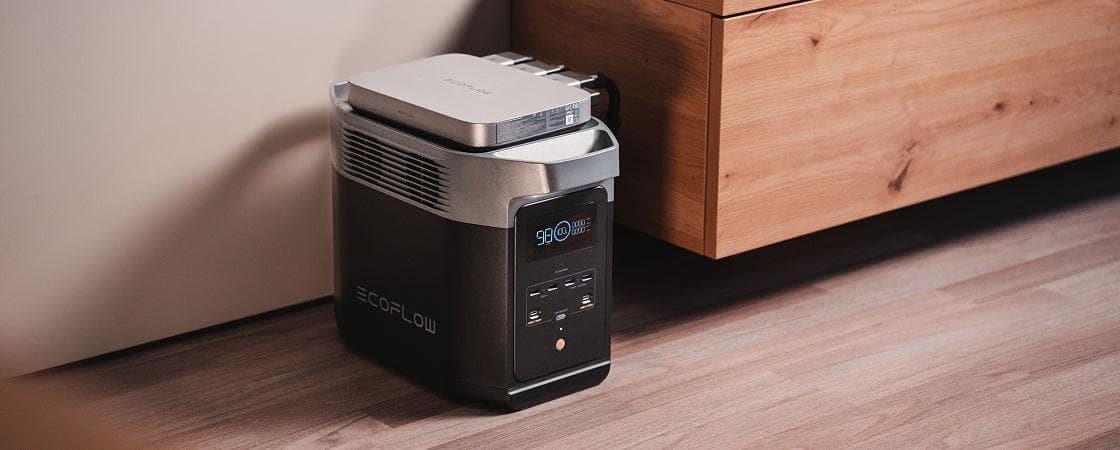
When the grid fails, most people reach for candles and phone flashlights, then realize their “emergency plan” ends there. A solar generator adds silent, portable electricity that keeps essentials running without fuel runs, fumes, or constant supervision, turning a chaotic outage into something you can actually manage.
Instead of thinking only about worst-case disasters, treat backup power like insurance for everyday life, shares Mark Thomas Properties experts. Short blackouts, heat waves, and local grid failures follow similar patterns. Once you know how much power you need and for how long, a solar generator becomes routine.
Understanding Modern Home Power Risks
Most outages now come from extreme weather, aging grid infrastructure, and local faults. Storms knock down lines, heat waves overload transformers, and small accidents kill power for whole neighborhoods. The risk is not theoretical; it is a recurring, seasonal problem that quietly reshapes how we should think about electricity.
The pattern is simple: more electrified homes plus more weather volatility equals more disruption. Even if your area rarely sees hurricanes or wildfires, you probably depend on internet access, refrigeration, and medical devices. A solar generator is less about doomsday prepping and more about protecting these very normal dependencies.
Regulators and grid operators publish outage statistics every year, and most regions show rising frequency, even if individual events stay relatively short.
What Exactly Is a Solar Generator?
Despite the name, a modern solar generator has no moving parts. It is essentially a battery, inverter, charge controller, and input ports packaged into one box. Solar panels recharge the battery, while AC and DC outputs feed phones, routers, lights, laptops, and sometimes heavier appliances.
Because everything is integrated, you avoid the wiring puzzle of separate inverters, controllers, and batteries. Compared with gas generators, a solar generator starts instantly, runs quietly indoors or outdoors, and recharges from the sun, wall outlets, or a vehicle, without fuel cans.
In practice, that means a solar generator behaves like a power strip with a battery behind it, a single box you plug devices into and then mostly ignore while it works.
Mapping Critical Loads in an Outage
Before buying any hardware, map what actually matters in a blackout. Start with refrigeration, communications, lighting, and health-related devices. For each device, list its power draw in watts and how many hours per day you need it. This turns the vague idea of “backup power” into a concrete budget.
Many people overestimate how much they truly need. A fridge does not pull full power all day, and routers, LED bulbs, and phones barely sip energy. A single, well-chosen solar generator can often support these critical loads, plus some comfort items, without aiming for full “normal life” power consumption.
Seeing the numbers on paper often surprises people and exposes luxuries, making it easier to see what truly deserves backup power.
Where a Solar Generator Fits in Your Backup Strategy
Think of your overall plan as layers. At the bottom are ultra-low-tech items like candles and battery flashlights. The next layer might be power banks and small inverters. Above that sits a solar generator, running your most important appliances and keeping communication lines open while the grid is dark.
Some households will still pair a gas generator with a solar generator. The fossil-fuel unit handles brief, heavy, noisy loads, like power tools or large pumps. The solar system takes over for quiet overnight use, communications, refrigeration, and medical equipment. This hybrid approach stretches fuel, reduces noise, and adds redundancy.
Over time, this layered structure becomes muscle memory, so even half-awake family members know which devices move onto backup power first.
Sizing for Real-World Emergency Scenarios
The most common mistake is buying blindly by model name instead of numbers. Take your load list and multiply watts by runtime to get daily watt-hours. Then compare that figure with the usable capacity of a solar generator, adding buffer for inverter losses and cloudy weather.
Scenario Planning for Different Outages
For short outages lasting a few hours, almost any solar generator will keep phones, lights, and laptops online. Multi-day storms require enough battery to ride through nights and enough solar input to refill during daylight. Evacuation scenarios favor lighter units that trade big capacity for easy portability and faster packing.
Write these scenarios down and keep them with your load list so you are not estimating under pressure.
Integrating with Other Backup Options
A backup plan built around only one technology is fragile. Pair your solar generator with traditional AA or AAA batteries for flashlights and radios. Keep a modest supply of power banks for phones. Where it can be used safely, a small gas generator may still handle very heavy loads.
The key is to deliberately assign roles. Use candles or lanterns for ambient light, and small batteries for radios and flashlights. Reserve the solar generator for refrigeration, connectivity, and health gear. Clear rules reduce the urge to plug everything into one box and drain it on night one.
A solar generator also pairs well with community resources such as public charging stations or shared neighborhood tools, extending both range and resilience.
Practical Storage, Safety, and Maintenance
An emergency tool you cannot find is not useful. Store your solar generator in a cool, dry location that everyone can reach quickly, ideally near your go-bag or main exit. Keep cables, adapters, and a small printed load plan in the same box to avoid scrambling in the dark.
Maintenance is surprisingly simple compared with fuel-based options. Top off the charge every few months, cycle the battery occasionally under real loads, and test the solar input at least once a season. This routine keeps the solar generator ready without fuel stabilizers, oil changes, or noisy monthly test runs.
Treat this spot like a fire extinguisher location so nobody wastes time searching for the solar generator when the lights fail.
Emergency Checklists You Can Actually Use
A good checklist is short enough to follow during stress. When an outage hits, first check for safety issues such as downed lines, flooding, or gas smells. Only after that should you bring out the solar generator, power the router, charge phones, and light the main gathering space.
- Confirm everyone is safe, warm, and accounted for.
- Stabilize food by powering the fridge or using coolers.
- Establish communications through your router or phone hotspots.
- Allocate remaining solar generator capacity to medical devices and work tasks.
- Log what worked and what failed so you can adjust the plan later.
Run through this checklist once or twice a year so you can refine it before any real outage.
Training the Household for Power Failure
The best emergency plan fails if only one person understands it. At least once or twice a year, walk the household through a simulated outage. Show them where the solar generator lives, how to turn it on, what gets plugged in, and who decides when to shut specific loads off.
Use simple rules instead of technical jargon. For example, agree that gaming consoles and large televisions stay off during real outages, while refrigeration, phones, and medical equipment always get priority. When everyone understands the limits of the solar generator, they are less likely to overload it or waste stored energy.
Label priority devices and outlets during calm times so nobody has to debate what stays plugged into the solar generator.